
How to Start a Food Delivery Business in 2024 (Step-by-Step)
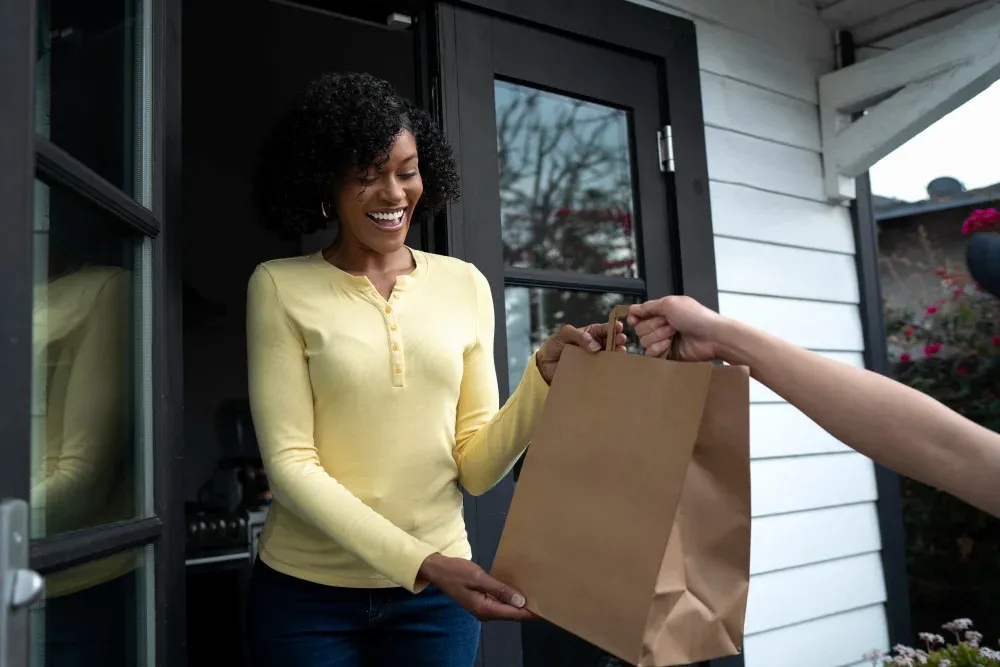
The current trajectory of the food industry is pretty straightforward: we’re moving exponentially toward maximizing customer convenience and delivery speed. It seems as if each successive generation of customers is becoming less and less likely to eat out, a trend accelerated by the 2020 COVID-19 pandemic.
This US Foods survey found that Americans order takeout or delivery about 4.5 times a month, compared to eating at a restaurant an average of 3 times a month.
Delivery businesses, such as ghost kitchens, are growing at a staggering rate. The restaurant delivery market is projected to reach a market volume of $182.20 billion by 2028. When we also consider the costs of maintaining restaurant space and staff, it becomes clear that the traditional way of thinking about the food business might not be all that applicable in 2024.
The message is simple: there is a lot of money waiting to be collected in the food delivery business. In this article, you’ll learn how to tap into the source and start your first delivery business.
How to Start a Delivery Business in 2024
Starting a food delivery service has never been easier than in 2024. It’s now a well-established and researched restaurant business model, so there is no need to reinvent the wheel.
If you’re a restaurant owner who’s simply looking to start selling online, you’re in a prime position. You should be meeting all legal requirements to sell food, which leaves you with setting up your food ordering system and registering for some of the third-party delivery services (at least at the very beginning).
The end goal, however, is to promote your own website and mobile app and aim to sell the majority of food from there. The reason is simple: third-party delivery fees are simply ridiculous.
That said, even if you already own a restaurant, it’s always helpful to review your restaurant business plan and see if there is demand and resources for delivery services in your area.
In either case, you’re going to have to do a good deal of research, so let’s get straight to it.
Market research and target audience
The first step to starting any business is performing in-depth market research. It might sound complicated, but it isn’t; you’re essentially learning if there are customers in your area willing to pay for your service. It’s the natural first step, and you can immediately learn whether your business idea will stand.
These are just a couple of ideas that can help you understand your market better. If you’re not sure whether your business model will work, you might want to dig deeper and review your restaurant marketing plan. Below are some more statistics that should help you understand the market a bit better.
Figuring out your service model: in-house, third-party, or ghost kitchens?
Next, you’re going to have to decide which delivery service model will best serve your interests.
This will depend on a number of conditions. For example, if you already own a restaurant, in-house deliveries might be a natural step forward.
If you don’t own a restaurant and are simply looking to start a food delivery business rather than offering an on-location experience, you might want to consider starting a ghost kitchen, which can then be scaled up into a full-blown restaurant. Let’s go over key delivery service models you should consider.
In-house delivery
Choosing an in-house food ordering system means managing the delivery process within your restaurant’s operations. This model gives businesses complete control over the delivery experience, ensuring direct communication with customers and potentially fostering loyalty.
It requires an initial investment in delivery infrastructure, such as vehicles and staff training, but it avoids the fees associated with third-party services. The main challenge is balancing the delivery efficiency with maintaining quality food service in-house.
Third-party platforms
Utilizing third-party platforms like Uber Eats, Grubhub, or DoorDash can significantly extend your restaurant’s reach. They can also speed things up. You can tap into the user’s massive customer base without having to build your own system.
These services handle the logistics of delivery, reducing the operational burden on the restaurant. However, they come with high service fees, which can eat into profit margins. Additionally, restaurants have less control over the delivery experience and customer service issues that arise.
It’s an offer many restaurant owners can’t refuse simply because they a) don’t understand how easy it is to build their own restaurant ordering systems, and b) they don’t always immediately realize how much money they’re bound to lose in the exuberant commissions these apps charge.
For most folks looking to start a food delivery business, using third-party apps is inevitable. That said, it’s important to also build your own food ordering system along with a website and mobile app and try to drive as much business as possible there. That way, you can remain independent and minimize the amount of money you’re bound to lose in third-party commissions.
Ghost kitchens
Ghost kitchens, also known as virtual kitchens, are a delivery-only model that allows restaurants to operate without a traditional dine-in space, significantly reducing overhead costs. This model is ideal for new entrants and established restaurants looking to expand their delivery services or experiment with new concepts.
Ghost kitchens rely heavily on online orders and partnerships with third-party delivery services to reach customers. The challenge lies in standing out in a highly competitive delivery market and ensuring food quality over potentially long delivery routes.
This model is perfect if you’re looking to slowly scale your business. Follow the link to learn how to start a ghost kitchen. Next, let’s discuss your food delivery business’s legal and financial foundations.
Legal and financial foundations
Once you’ve decided on your delivery service model, it’s time to set up your delivery business structure and deal with all of the legal and financial hassles. It’s not going to be a fun process for most, but since this is going to be your very own delivery business, it should only make sense for you to do due diligence. It’ll pay off in the long run.
Choosing the right business structure
To launch a business is one thing. To launch a profitable business is another. Let’s discuss different business structures and see what will work best for your particular case.
Research the differences between an LLC (Limited Liability Company), a corporation, and a partnership. Each has unique tax treatments, liability implications, and operational flexibility.
Evaluating your business needs
When you’re figuring out the legal structure for your food delivery venture, take a moment to reflect on what’s crucial for you—things like how much you want to shield yourself from potential business debts, the way you’d like the IRS to view your earnings, and if you’re planning to welcome investors.
It’s wise to get in touch with both an accountant and a lawyer; they can help tailor advice to fit your unique scenario perfectly. This is especially important when you’re just starting out.
Once you’ve landed on the best fit, make it official by registering with the state, which usually means filling out some paperwork and handling a fee. This step isn’t just about bureaucracy; it’s setting the foundation for your business’s future.
This is also a good place to ask yourself what exactly you’re looking to achieve with your food delivery service business. Consider reviewing your restaurant business plan with a professional.
Understanding food laws and getting the necessary licenses and permits
Food laws are there to keep your customers safe. They ensure the food you sell is clean, good for your customers, and labeled correctly. These regulations cover everything from production to the point of sale, aiming to prevent health issues and guarantee that what people eat is exactly what the label says.
At the federal level, you need to be compliant with the FDA laws that ensure proper labeling and safety across states. State-level regulations might introduce additional permits and standards, including specific guidelines for homemade foods.
Researching food laws is a must, but it’s also something you probably won’t be able to do yourself. It’s just one of those things that are better left to professionals.
Sorting out insurance
Another thing that you have to consider is sorting out all of the necessary restaurant insurance. As always, make sure to discuss it with a professional.
Financing your delivery business
The main ways to finance a restaurant business include traditional options like restaurant equipment financing, crowdfunding, seeking investments from friends and family, and exploring private investors’ aid.
Each method comes with its own set of pros and cons, such as tax benefits, flexible payment options, and potential for quicker access to capital, but also risks like collateral risk.
Financing is key to starting a profitable delivery business. It’s one of those decisions that you have to make for the longer term. Educating yourself on the subject is essential, but finding a professional who understands financing on a deeper level is equally important. Follow the link to learn more about restaurant loans.
Building Your Brand and Service
Congratulations if you’ve made it this far. Now that we have discussed all the boring stuff, let’s get to the fun parts. It’s time to discuss making your business as efficient and customer-friendly as possible.
Crafting a delivery-friendly menu
One thing that can make or break your food delivery company is your menu. Creating a delivery-friendly menu is a must for anyone trying to get into the online food-ordering game.
First, make sure the food you’re going to sell can survive transit. For example, if you’re planning on selling wedding cakes, where the smallest accident might make them unusable, you might want to think twice.
You also have to think ahead and consider the weather conditions in your area. Do you have what it takes to transfer raw or frozen foods (such as ice cream or milkshakes) in the summer heat?
Once you have taken all the necessary precautions, build your online menu so that it’s easy to use. Your customers should be able to order food from you with their eyes closed.
Don’t dwell on this for too long. Trust me, you’re not going to code your own menu. You have two options: third-party apps or your own food ordering system that already has a built-in menu. You already know all the pros and cons from the previous parts of this article.
Building your delivery fleet
You can use third-party food delivery apps like GrubHub and Uber Eats to deliver your orders. As you already know, this option will cost you up to 30% in commissions, which can be tough on your revenue in the long run.
You can also build your own delivery fleet. This will require a larger upfront investment but will not cost you as much in the long run. You will also have more control over your deliveries if you ever consider branching out and delivering more than just food (e.g., grocery delivery business).
If you can’t deal with such high startup costs, there’s also a middle ground. You can build your own food ordering system and integrate it with a chosen delivery service. That way, you’re still able to have more control over your business while not having to deal with burdens like vehicle maintenance and commercial auto insurance.
Consider joining local restaurant communities and learning more about the local delivery business.
Deciding on delivery logistics
Customer satisfaction is one of the most important metrics that make food delivery businesses profitable. Unsatisfied customers can murder your business. An average Google score of 4.0 will deter your customers quicker than what Bud Light did with last year’s ultra-woke campaign.
The two major drivers of customer satisfaction are the quality of the food and the courier service. You can find key food delivery statistics here.
Search engine optimization, marketing strategies
The last thing you absolutely need to nail is marketing. I guarantee that there’s no shortage of local businesses in your area who have failed simply because they didn’t know who to market their services to.
About the author

Senior Content Writer
Creative digital writer and marketer. A caffeine-fueled madman who loves to make things better.