
Bar Opening and Closing Checklist (Template)
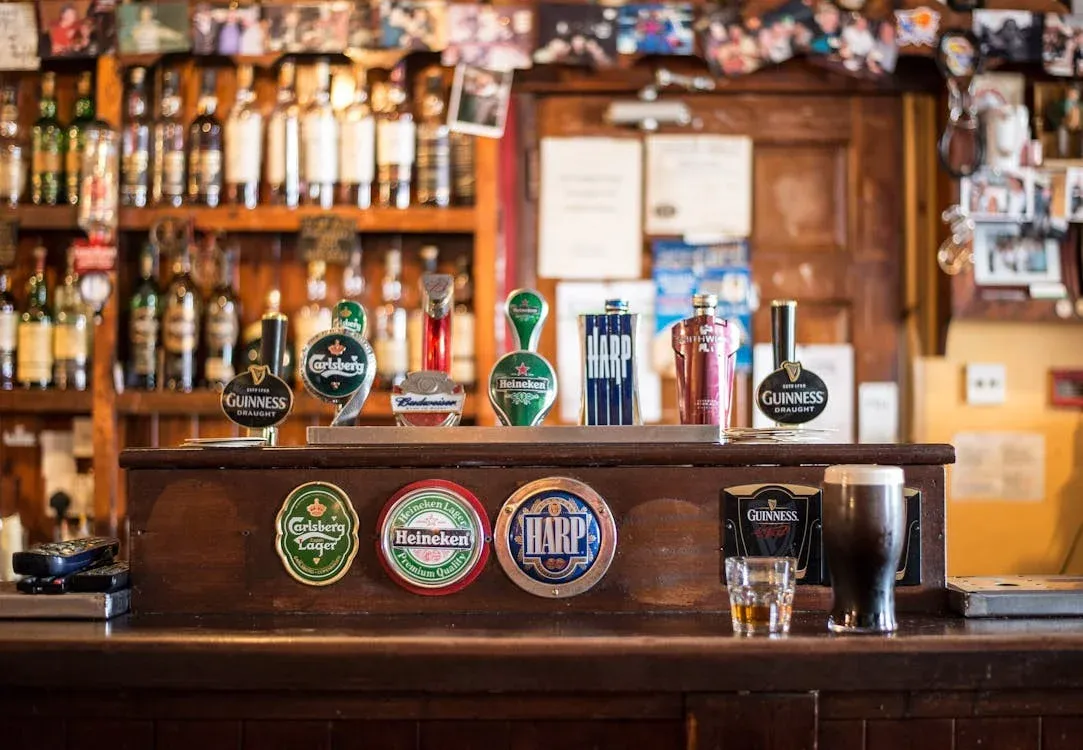
Bar owners, bar managers, and bar employees—everyone involved benefits from opening and closing checklists.
To run a successful bar, you need to ensure that all standard operating procedures run smoothly. Checklists ensure that everything that has to be done is done, no matter how busy the night was.
In this article we’re going to go over why checklists are key to your bar business and how to make them work.
Do You Need Opening and Closing Checklists?
Opening and closing checklists may not be obligatory, but they sure make things easier, both for staff and management. The thing about running a bar is that you and your staff are going to have to perform a lot of repetitive tasks that keep your bar running smoothly.
In short, opening checklists help ensure that everything goes according to plan throughout the shift. Closing checklists make it easier for your staff to run all the cleaning and organization tasks to prepare for the next day.
Checklists are a big help for everyone at the bar — from the managers to the bartenders and the support crew. They make it easier to stay on track, cut down on waste, and remember all those little tasks that keep the bar humming.
Understand Your Staff
Even the best staff can miss something now and then, so having a checklist means fewer mistakes, less stress, and smoother shifts. Plus, managers really rely on them to keep things running tight and make sure the bar meets all those important safety rules for food and drinks.
Make sure your staff is not overwhelmed by dealing with constant orders and reservations. Consider using bar software to relieve yourself and your staff of repetitive duties, like daily financial summaries, online and offline order management, and reservations.
Safety, cleanliness, financial transparency, keeping track of perishable products – these are the key advantages of preparing a closing checklist. Bar opening checklist, on the other hand, will ensure that everything is in order and ready after a busy night.
Bar Opening Checklist – Example
A bar opening checklist will vary depending on what type of bar you’re running. The point is to give you a list of general bar opening procedures to give you and your bar staff an idea of how to structure your bar operations more effectively.
If you’re a bar manager, you can use this checklist to set up all the tasks in accordance with what your particular case requires. Now, let’s go through an example bar opening checklist.
Remember that your bar checklist is going to vary depending on how you like to keep your bar organized, what bar equipment you use, and how much wiggle room you and your staff have.
Bar Closing Checklist
Closing procedures are equally if not more important than the opening ones. They ensure that the day switch has everything in good order and can begin running daily operations without too much effort.
It’s important for your staff to understand the importance of these checklists. They are necessary to keep your bar business from turning into complete chaos. These checklists save you a lot of stress and money.
Getting the Most Out of Bar Checklists
There are things you can do to make sure your bar opening and closing checklists do exactly what they were designed to do. Below are tips to help both management and staff maximize the effectiveness of bar opening and closing checklists.
You’ll also want to create a guideline for your staff. That way, you ensure that you’re all on the same page.
Remember that effective checklists are not just about ticking boxes; they contribute to a well-organized and smoothly functioning bar. Regularly evaluate and refine the process to optimize efficiency and customer experience.
Frequently Asked Questions (FAQ)
To make a bar checklist, you should create separate checklists for different bar operations, ensuring comprehensive coverage of tasks. Start with a bar opening and closing checklist to outline essential tasks at the start and end of each day. Involve both bar staff and bar managers in the creation process to ensure all areas of operation are covered. This collaborative approach ensures that the checklists are practical, thorough, and tailored to your bar’s specific needs, promoting efficiency and consistency in daily operations.
To close down a bar, first, ensure all bar tools and service bars are cleaned and sanitized. Count and secure the cash drawer, a crucial task for the bar owner or bar manager. Perform bar cleaning tasks, including washing floor mats, scrubbing floor drains with hot water to maintain smooth operation, and removing food crumbs to prevent pests. Lastly, organize liquor bottles, complete closing procedures, and ensure everything is ready for the next day. This systematic approach ensures safety, cleanliness, and readiness for future service.
To open a bar successfully, it’s essential to utilize bar checklists. These ensure that every critical task is completed, setting the stage for smooth operations. A comprehensive checklist covers all aspects of opening, from setting up the bar area and ensuring inventory is stocked, to confirming that all equipment is functioning correctly. This preparation is key to a successful bar, as it helps avoid any operational hitches, ensures staff are ready for service, and guarantees that the establishment is welcoming and prepared for customers.
About the author

Senior Content Writer
Creative digital writer and marketer. A caffeine-fueled madman who loves to make things better.