Restaurant Partnerships: Everything You Need to Know

I’ve worked with enough restaurants to know the right restaurant partnership can take a good concept and turn it into a great business. But I’ve also seen what happens when the wrong partner gets involved—conflict, confusion, and missed opportunities.
In fact, 70% of business partnerships fail, often due to a lack of alignment or poor communication.
I’ll walk you through the different types of restaurant partnerships, from co-owners and consultants to marketing partnerships and brand collabs—so you can build the kind of partnerships that actually move your restaurant business forward.
What Is a Restaurant Partnership?
A restaurant partnership is any collaborative relationship that helps your restaurant grow—whether it’s behind the scenes or in front of your customers.
These partnerships can take many forms, from co-owners and consultants to local vendors and tech providers. The key is that both sides benefit, and your restaurant business becomes stronger because of it.
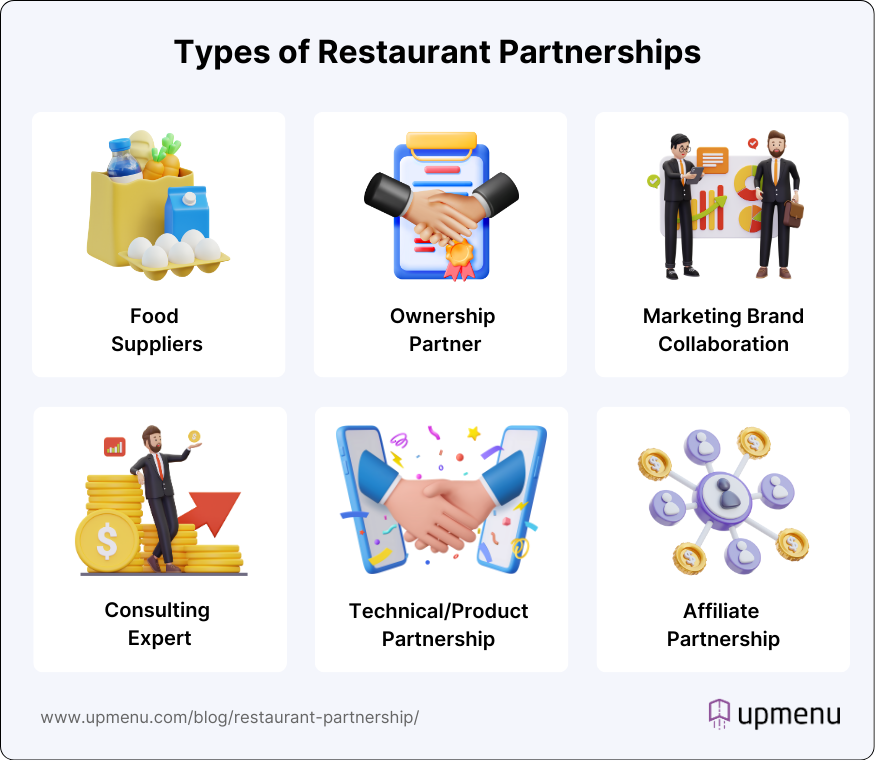
Here are a few common types of restaurant partnerships to consider:
- Food Suppliers: The foundation of any restaurant—working with trusted food vendors ensures consistent quality, reliable deliveries, and better pricing terms.
- Ownership Partner: An individual who invests capital into the restaurant in exchange for equity and often plays a role in high-level decision-making or daily operations.
- Marketing Brand Collaboration: A partnership with a brand, influencer, or local business to co-promote products, boost visibility, and attract new customers through joint campaigns or co-branded offerings.
- Consulting Expert: A restaurant consultant or industry expert hired to provide strategic advice on operations, finances, menu design, marketing, or scaling—often on a temporary or project basis.
- Technical/Product Partnership: Partnering with a tech provider to integrate tools like online ordering systems, POS systems, loyalty programs, or restaurant apps—improving both customer experience and internal efficiency.
- Affiliate Partnership: As a restaurant owner, you can earn passive income by recommending software like UpMenu through an affiliate program—turning your experience into additional revenue.
Opportunities and Threats in Restaurant Partnerships
Like any business relationship, a restaurant partnership can open doors—or cause serious headaches. When done right, partnerships offer fresh ideas, shared resources, and faster growth.
But if you’re not careful, they can also lead to conflict, lost revenue, or even legal trouble.
Here’s a breakdown of the most common opportunities and threats you should keep in mind before shaking hands:
Shared Resources and Expertise: Pooling finances, staff, or industry knowledge can reduce costs and boost efficiency.
Conflicting Visions or Values: Differing long-term goals or brand approaches can lead to tension, miscommunication, and poor execution.
Expanded Customer Reach: Partnering with influencers, brands, or delivery platforms can introduce your restaurant to new audiences.
Unequal Effort or Contribution: Imbalances in workload or investment may cause resentment or friction between partners.
Brand Credibility and Trust: Collaborating with reputable consultants or suppliers can enhance your restaurant’s reputation and customer confidence.
Revenue and Profit Disputes: Vague financial agreements can result in disagreements over profit sharing or reinvestment decisions.
Marketing and Co-Branding Campaigns: Joint promotions and cross-marketing efforts can increase visibility, drive engagement, and generate buzz.
Legal and Liability Risks: Without clear contracts, you could be held liable for your partner’s actions or financial missteps.
Operational Support: Bringing in an experienced partner can help streamline daily operations and improve overall performance.
Brand Damage by Association: A partner’s poor reputation or scandal can hurt your restaurant’s public image and customer trust.
Innovation and New Revenue Streams: Working with tech startups, ghost kitchens, or app providers can help you test new concepts and add income channels.
Loss of Autonomy: Decision-making becomes more complex when control is shared, potentially slowing down operations.
Strategic Growth and Expansion: Capital or franchise partnerships can fuel faster growth and reduce expansion risks.
Exit and Ownership Challenges: Breakups can be messy—disputes over ownership, assets, and responsibilities can stall or shut down your business.
How to Find a Restaurant Business Partner
Finding the right restaurant business partner is one of the most important decisions you’ll make—it can shape the future of your brand, restaurant operations, and long-term success.
But it’s not just about who’s available. It’s about who complements your strengths, shares your vision, and brings something valuable to the table.
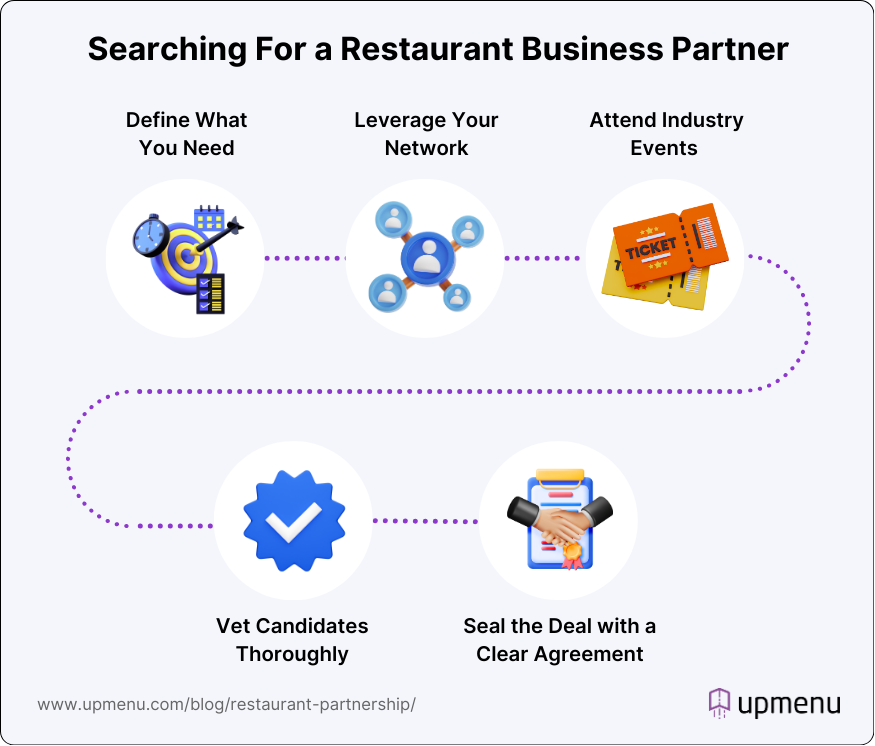
Whether you’re looking for an ownership partner, an investor, or someone to co-run the daily grind, the steps below will help you approach this process strategically.
From self-assessment to networking, and everything in between—you’ll find partnerships tips for success, tools, and real-life tactics to make smart choices.
1. Define what you’re looking for
Before jumping into networking events or pitching equity deals, take a step back and define what kind of restaurant partnership you’re after.
Are you searching for a hands-on restaurant business co-founder, an investor, or someone to lead your marketing efforts? Not all partnerships look the same—and not all will serve your restaurant’s goals.
Clarity here is key. When you know exactly what you’re missing, you can seek out the right restaurant industry partners who complement your skills and fill the gaps.
Use this as your internal guide as you evaluate potential partners and avoid misalignment down the road.
2. Audit your own strengths and weaknesses
Before bringing someone else into your restaurant business, it’s important to understand what you bring to the table—and where you could use help.
A successful restaurant partnership is built on complementing skills, not overlapping them. If you’re great at kitchen management but struggle with marketing or finances, that’s your signal to look for someone with those strengths.
Here’s an example of how you can assess it:
Menu creation and food costing
Financial planning and forecasting
Front-of-house team management
Digital marketing and branding
Guest experience and service training
Tech tools (POS, online ordering system)
Local supplier relationships
Hiring and HR compliance
Running daily operations efficiently
Long-term strategic growth planning
Being honest about your own gaps not only helps you find the right partner, but also sets the stage for a balanced, productive relationship.
3. Tap into your existing network
Sometimes, the right restaurant partnership is closer than you think. Former colleagues, trusted vendors, friends in the restaurant industry, or even loyal regulars might be open to collaborating—or know someone who is.
These connections come with a built-in layer of trust, which can be incredibly valuable when launching a partnership for your restaurant.
Before you start cold outreach or hiring consultants, take a good look at your own network. You might already know your next restaurant business partner—you just haven’t asked the right question yet.
Warm intros tend to go further—and they’ll save you time vetting total strangers.
4. Attend industry events and meetups
If you’re serious about finding the right partner, you need to show up where potential partners, restaurant operators, and industry partners are already gathering.
Events in the restaurant industry offer incredible opportunities to connect with like-minded professionals—from investors to marketing experts to tech providers.
Even a quick chat at a tradeshow or panel can lead to a promising restaurant partnership—or at the very least, a valuable introduction.
Bring business cards, ask thoughtful questions, and follow up with any potential partners you meet.
5. Use professional platforms
Nowadays, some of the best restaurant partnerships start online.
From investor matching sites to hospitality-specific job boards, there are platforms designed to help you meet serious collaborators—whether you’re looking for an operational co-founder, restaurant consultants, or a new partner to help grow your brand.
These platforms make it easier to vet people based on their background, skills, and partners’ history and experience before you even get on a call.
These platforms can expand your market reach far beyond your local area and introduce your brand to a new audience—a big win for restaurant business owners looking to grow.
6. Connect through restaurant consultants or brokers
If you’re struggling to find the right fit on your own, it might be time to bring in a pro.
Restaurant consultants and business brokers often have insider access to a network of restaurant operators, investors, and industry partners looking for their next project.
They understand what makes a successful restaurant partnership and can help match you with someone who aligns with your restaurant’s goals.
This route may come with a fee—but it can save time, avoid costly mistakes, and lead to more successful partnerships.
7. Vet every candidate thoroughly
Not every enthusiastic contact or referral will turn into a successful restaurant partnership—and that’s okay. What matters is doing your homework. Once you’ve identified a few promising potential partners, it’s time to dig deeper.
Look at their experience in the restaurant industry, review past ventures, and ask about their involvement in other restaurant partnerships.
Get a sense of how they handle pressure, conflict, and finances. The goal here is to avoid surprises after you’ve signed anything.
Vetting thoroughly now can save you from major issues later—and set the stage for a partnership for your restaurant that’s built on trust and transparency.
8. Align on vision and values early
Even the most skilled restaurant business partners can clash if they don’t share the same vision.
Before you sign contracts or invest time into building together, make sure you’re aligned on the direction of the business, long-term goals, and your approach to leadership, branding, and customer experience.
Plenty of restaurant partnerships fall apart not because of skill gaps, but because of mismatched priorities. Avoid that by having the tough conversations early.
These questions may feel uncomfortable, but they’re a must if you want to create successful restaurant partnerships built to last.
9. Start small with a trial project
You wouldn’t commit to a lifelong restaurant partnership after one meeting—so don’t. One of the smartest moves you can make is to start with a low-risk collaboration.
Whether it’s co-hosting a pop-up event, launching a limited-time dish, or testing a marketing partnership, a trial run lets you see how well you work together under real conditions.
It also gives both sides time to build trust and learn how the other operates before investing serious time, money, or equity.
Starting small lets you evaluate everything—from communication style to work ethic—before formalizing your business relationship.
10. Consult legal and financial experts
Once you’ve found someone you’d like to move forward with, don’t skip the paperwork. A formal agreement is critical—it outlines roles, ownership, revenue sharing, exit strategies, and liability.
Even the most promising collaboration can go south without a clear legal framework in place.
Bringing in a lawyer and financial advisor protects both sides and helps you avoid future disputes, especially when money, branding, or decision-making is involved.
Even a short consult can prevent major legal headaches down the road.
5 Real-Life Examples of Restaurant Partnerships
Exploring real-life collaborations offers valuable insights into how partnerships can drive innovation and success in the restaurant industry. I highlighted these five notable examples:
1. Applebee’s and IHOP Dual-Branded Restaurant
In February 2025, Dine Brands Global, the parent company of Applebee’s and IHOP, opened the first dual-branded restaurant in Seguin, Texas.
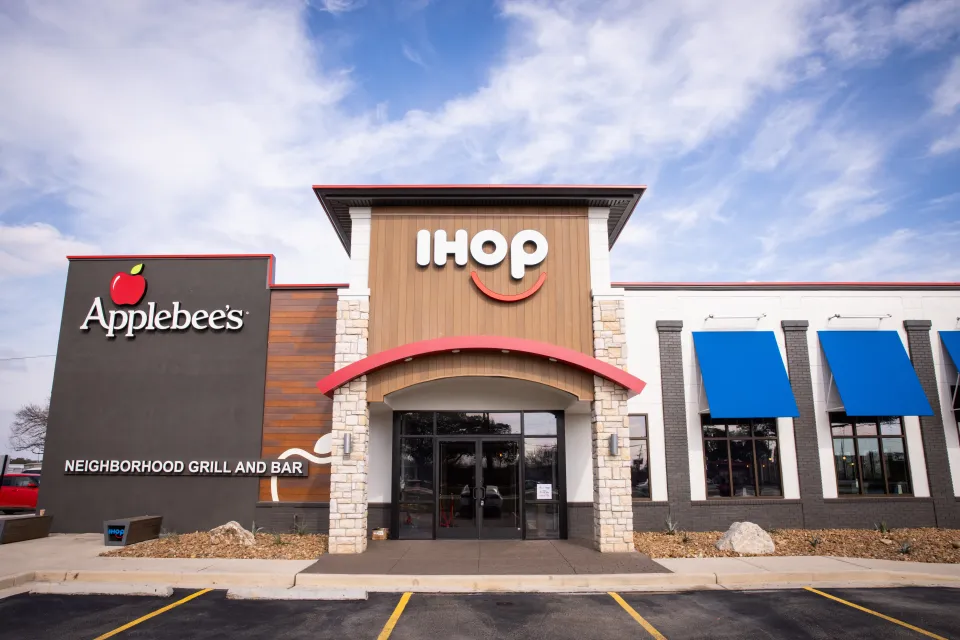
This innovative concept combines both brands under one roof, featuring distinct dining areas and a shared kitchen to offer a diverse menu ranging from IHOP’s breakfast items to Applebee’s lunch and dinner selections.
The collaboration aims to maximize operational efficiency and cater to a broader customer base.
2. Salad and Go x North Texas Food Bank
Salad and Go, a drive-thru salad concept, partnered with the North Texas Food Bank and Tarrant Area Food Bank to address food insecurity in the region.
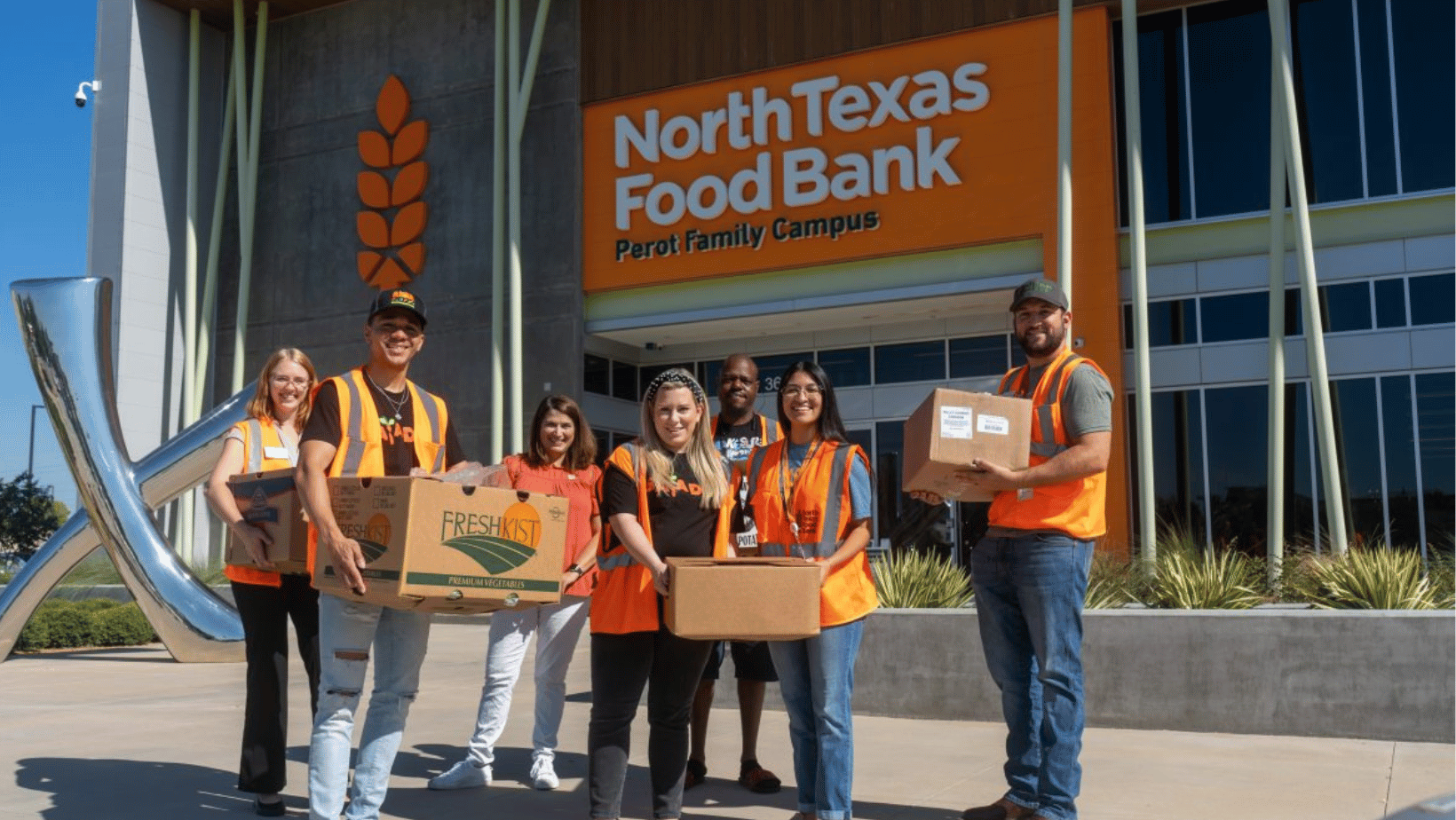
Through this collaboration, they donated approximately 1,500 salads from team member training sessions at new North Texas stores, demonstrating a commitment to community engagement and social responsibility.
3. Ophelia’s and Slidin’ Dirty Collaboration
In a unique partnership, Ophelia’s on Broadway in Albany, New York, collaborated with Slidin’ Dirty, a Troy-based food truck and restaurant.
While Ophelia’s continues to manage bar service and its music program, Slidin’ Dirty operates the kitchen, offering its signature menu to patrons.

This arrangement allows both businesses to leverage their strengths and provide a comprehensive dining and entertainment experience.
4. Rebel Foods and Wendy’s Cloud Kitchen Partnership
Wendy’s partnered with Rebel Foods, a leading cloud kitchen operator, to expand its presence in India.
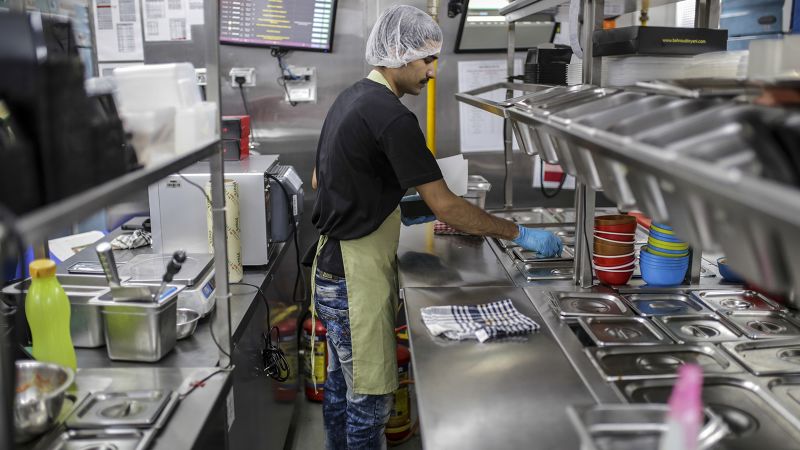
The agreement involves launching approximately 250 cloud kitchens across the country, enabling Wendy’s to reach more customers without the overhead of traditional brick-and-mortar establishments.
This strategic move reflects the growing trend of utilizing cloud kitchens to scale operations efficiently.
5. Chef Collaborations in Houston’s Culinary Scene
Houston’s vibrant food scene has seen numerous chef collaborations that bring together diverse culinary talents.
For instance, chef Chris Shepherd partnered with Shake Shack for a one-day event, creating a unique sandwich that combined Shepherd’s innovative approach with Shake Shack’s classic offerings.
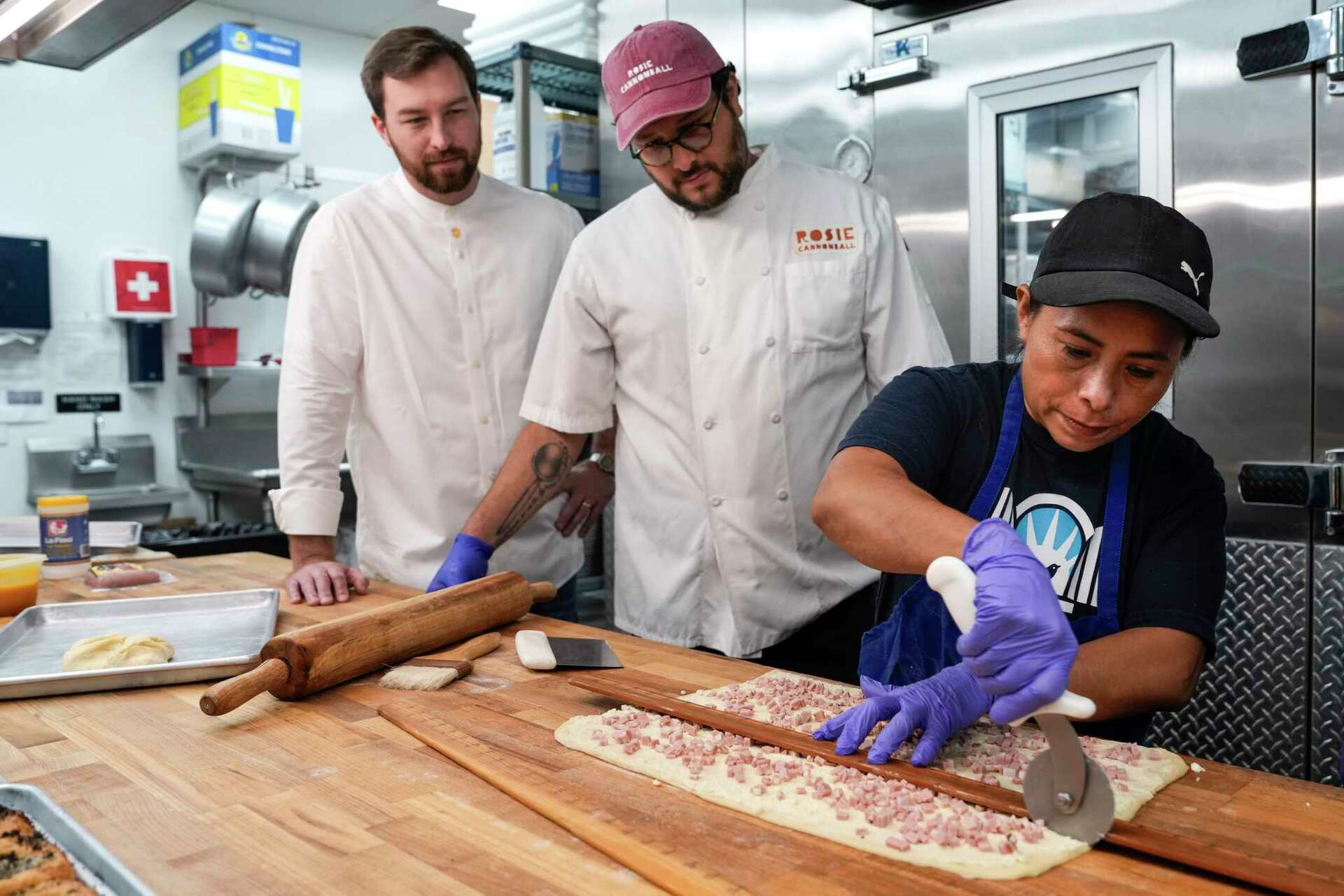
Such collaborations not only offer diners exclusive experiences but also foster a sense of community and shared creativity among chefs.
These examples illustrate the diverse ways in which restaurant partnerships can enhance offerings, expand reach, and create unique dining experiences.

Frequently Asked Questions (FAQ)
A managing partner is a co-owner who oversees the restaurant’s daily operations. They typically have an equity stake and are responsible for staffing, finances, and overall performance.
An operating partner is a part-owner or appointed executive who runs the restaurant’s operations. They focus on execution, profitability, and ensuring the business meets its goals.
About the author
Marketing Manager at UpMenu
Leads UpMenu's marketing and helps restaurants grow. Writes about restaurant marketing, branding, websites, menu design, and opening a restaurant — from pizzerias and food trucks to coffee shops and ghost kitchens. Digital marketer driven by data and AI — for 6+ years working with restaurants.