

Opening a restaurant chain is often a natural step for all successful restaurant owners. Before you decide to open a new location, however, it’s important that you understand how the best in the business have done it.
In this article we’re going to discuss:
- What is a chain restaurant
- What are the most popular restaurant chains (and what we can learn from them)
- How did the most popular restaurant chains start
- What to consider when starting a restaurant chain
- What is the best restaurant chain business model
- What are the best types of restaurant chains to consider
What Is a Chain Restaurant?
A chain restaurant is a set of related restaurants in many different locations that are either under shared corporate ownership or some sort of franchising agreements. Typically, the restaurants within a chain are built to a standard format (through architectural prototype development) and offer a standard menu and/or services.
The concept of chain restaurants is rooted in the system of franchising. The franchisor maintains a brand that is familiar to all who see its advertising and physical construct; the franchisee operates a local business that benefits from the reputation of the brand the franchisor maintains.
What was the First Chain Restaurant?
The honor of being the first restaurant chain goes to “White Castle”, which was founded in 1921 in Wichita, Kansas. The founders, Walter A. Anderson and E.W. Ingram, aimed to change the public’s perception of the cleanliness of the industry. They built their restaurants so that customers could see the food being prepared, establishing the first fast food restaurant and creating the concept of the “chain” restaurant.
What Are the Most Popular Restaurant Chains
Determining the most popular restaurant chains depends on one’s criteria. If we’re talking about sheer number of locations, then Subway, with more than 40,000 locations worldwide, is the largest. However, if we’re considering brand value and revenue, then McDonald’s is the clear winner, being worth over $214.64 billion.
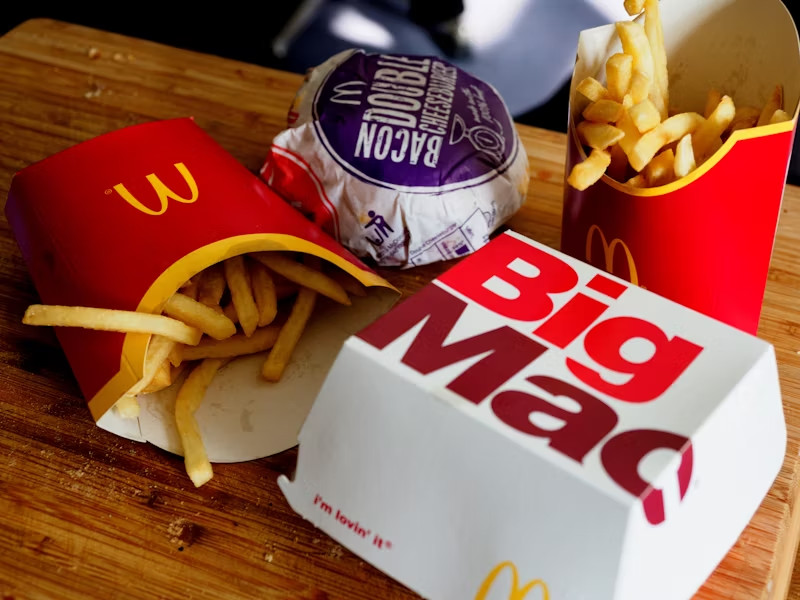
McDonald’s, known for its golden arches and Big Macs, is also arguably the most recognizable restaurant chain in the world. Then we have Starbucks, the world’s largest coffeehouse chain that seems to be in a league of its own when it comes to serving coffee. Also, did you know that KFC, Pizza Hut, and Taco Bell are all owned by the same parent company?
These chains have become the most recognizable brands around the world, not just for their food, but for the dining experience they offer. They’ve become a part of global culture, a common thread that connects people across different countries and cultures.
In the next section, we’ll delve into the origins of these popular chains and how they grew to dominate the restaurant industry.
Learn From the Best: How Did the Most Popular Chain Restaurants Start?
There’s no need to reinvent the wheel when some of the biggest restaurant chains have already come up with solutions that work wonders. Let’s get inspired by some of the biggest franchise restaurants.
McDonald’s
McDonald’s is arguably the most popular restaurant chain franchise. The story of the fast food giant began in 1940 when Richard and Maurice McDonald opened a barbecue drive-in in San Bernardino, California.
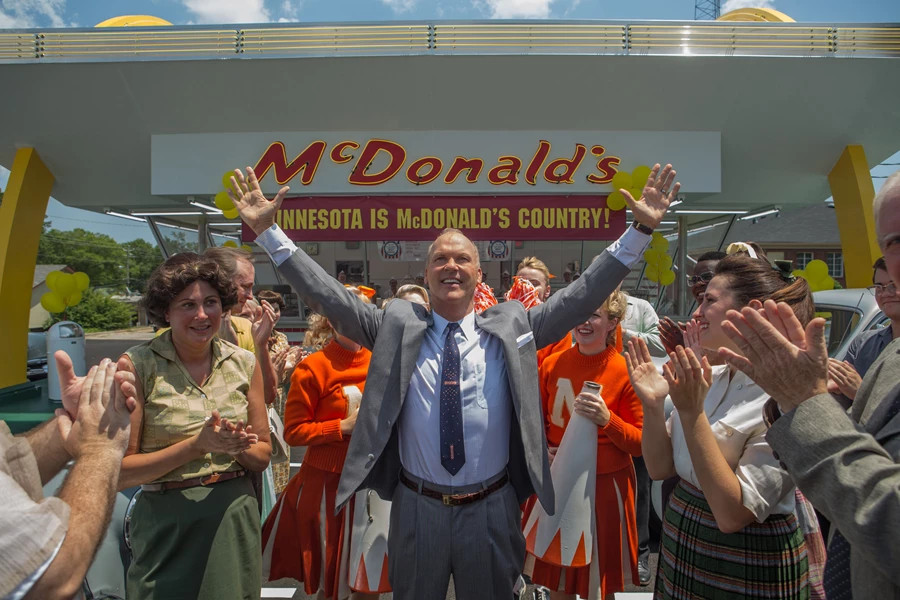
However, it was their introduction of the “Speedee Service System” in 1948, a concept that established the principles of the modern fast-food restaurant, that truly set the stage for their success. The “Speedee Service System” was a pioneering concept introduced by the McDonald brothers in their first restaurant. This system revolutionized the fast-food industry and set the standard for future chains.
Starbucks
Starbucks, now the largest coffeehouse chain in the world, had humble beginnings. It was first opened in 1971 in Seattle by three partners who met while they were students at the University of San Francisco. Initially, they sold only whole roasted coffee beans.
However, the business began to take off when Howard Schultz joined the company in 1982 and, inspired by the espresso bars he saw on a trip to Italy, decided to sell brewed coffee. The concept was a hit, and Starbucks has been synonymous with coffee ever since.
Subway
Subway’s journey began when 17-year-old Fred DeLuca borrowed $1,000 from family friend Dr. Peter Buck to open a submarine sandwich shop in Bridgeport, Connecticut in 1965. Their goal was to earn enough money to pay for DeLuca’s college education.
The first store was called “Pete’s Super Submarines,” and the name was changed to Subway in 1968. Today, Subway has more locations worldwide than any other restaurant chain.
These stories illustrate how these popular chains started from modest beginnings and, through a combination of innovation, excellent food, and savvy business strategies, grew to become arguably the largest restaurant chain in the world.
What Is the Best Restaurant Type for Chain Restaurants?
The best type of restaurant for a chain can depend on a variety of factors, including the target market, location, and competition. However, some types of restaurants seem to be particularly well-suited to the chain model. Let’s take a look at the most popular chain restaurant types.
Fast Food
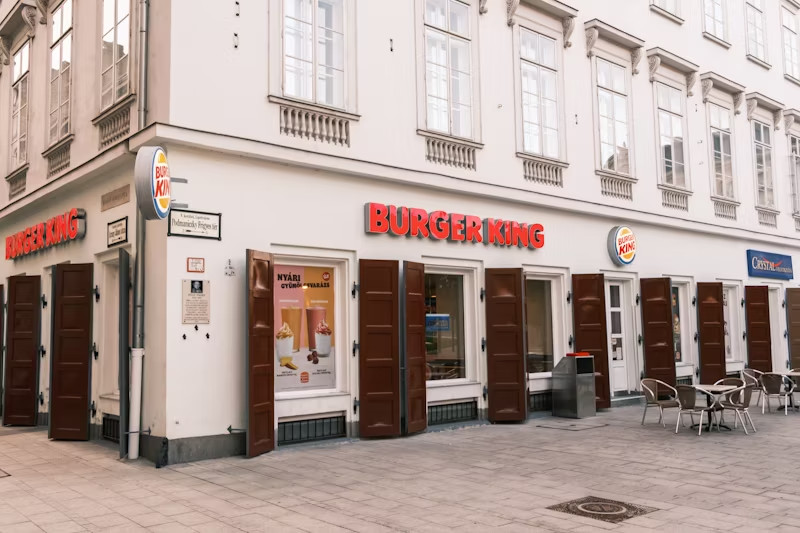
Fast food restaurants are perhaps the most common type of restaurant chain. They offer quick service, standardized menus, and often, drive-thru options. Examples include McDonald’s, Burger King, and Buffalo Wild Wings.
Casual Dining
Casual dining restaurants offer a more relaxed dining experience than fast food restaurants, with a broader menu and table service. They can also be successfully developed into chains, as evidenced by restaurants like Applebee’s and Olive Garden.
Coffee Shops
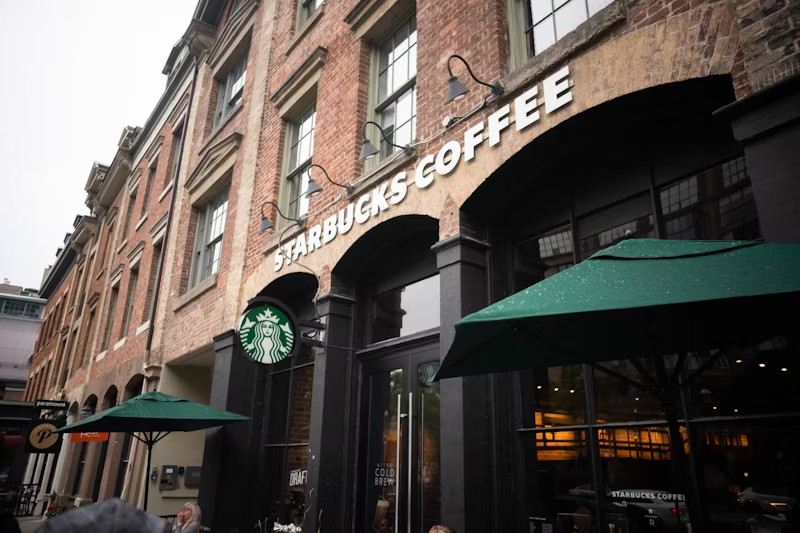
Coffee shops can also make successful chains, offering a consistent product and a comfortable space for customers to relax or work. Starbucks is the most notable example of a successful coffee shop chain.
Fast Casual
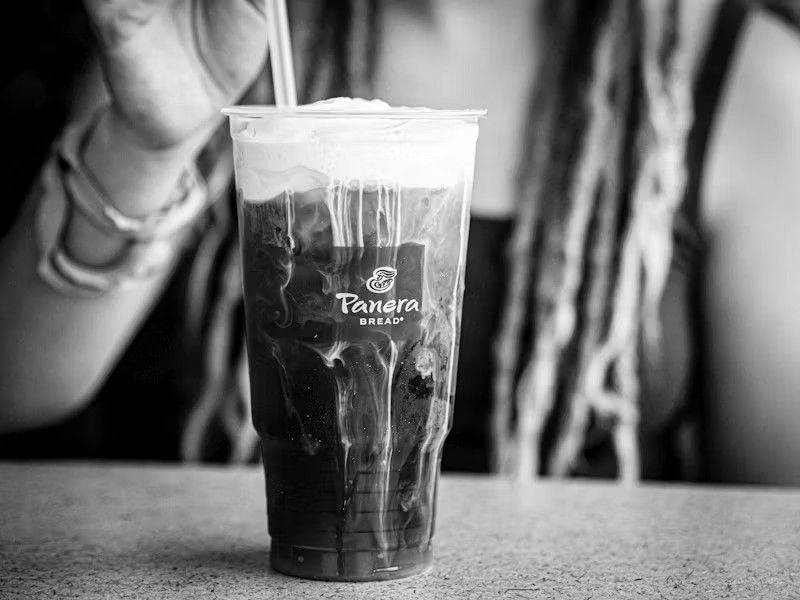
Fast casual restaurants are a hybrid of fast food and casual dining, offering high-quality food in a more relaxed environment than fast food restaurants, but with quicker service than casual dining restaurants. They often feature a more modern, trendy atmosphere and focus on healthier, premium ingredients. Examples include Chipotle and Panera Bread.
Family Style
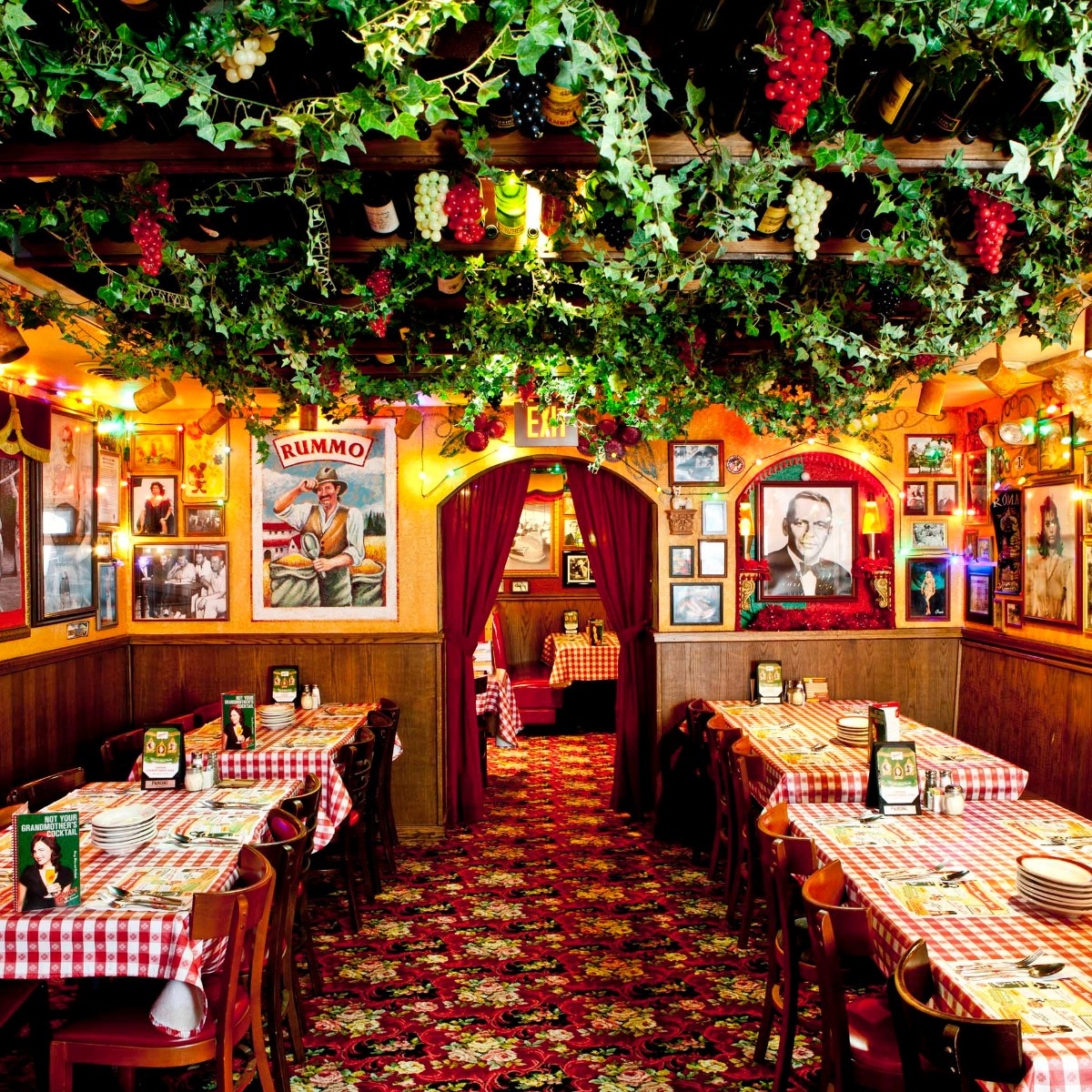
Family style restaurants focus on serving large portions of food on platters meant for sharing. They provide a relaxed, family-friendly atmosphere. An example of a successful family style chain restaurant is Buca di Beppo.
Fine Dining
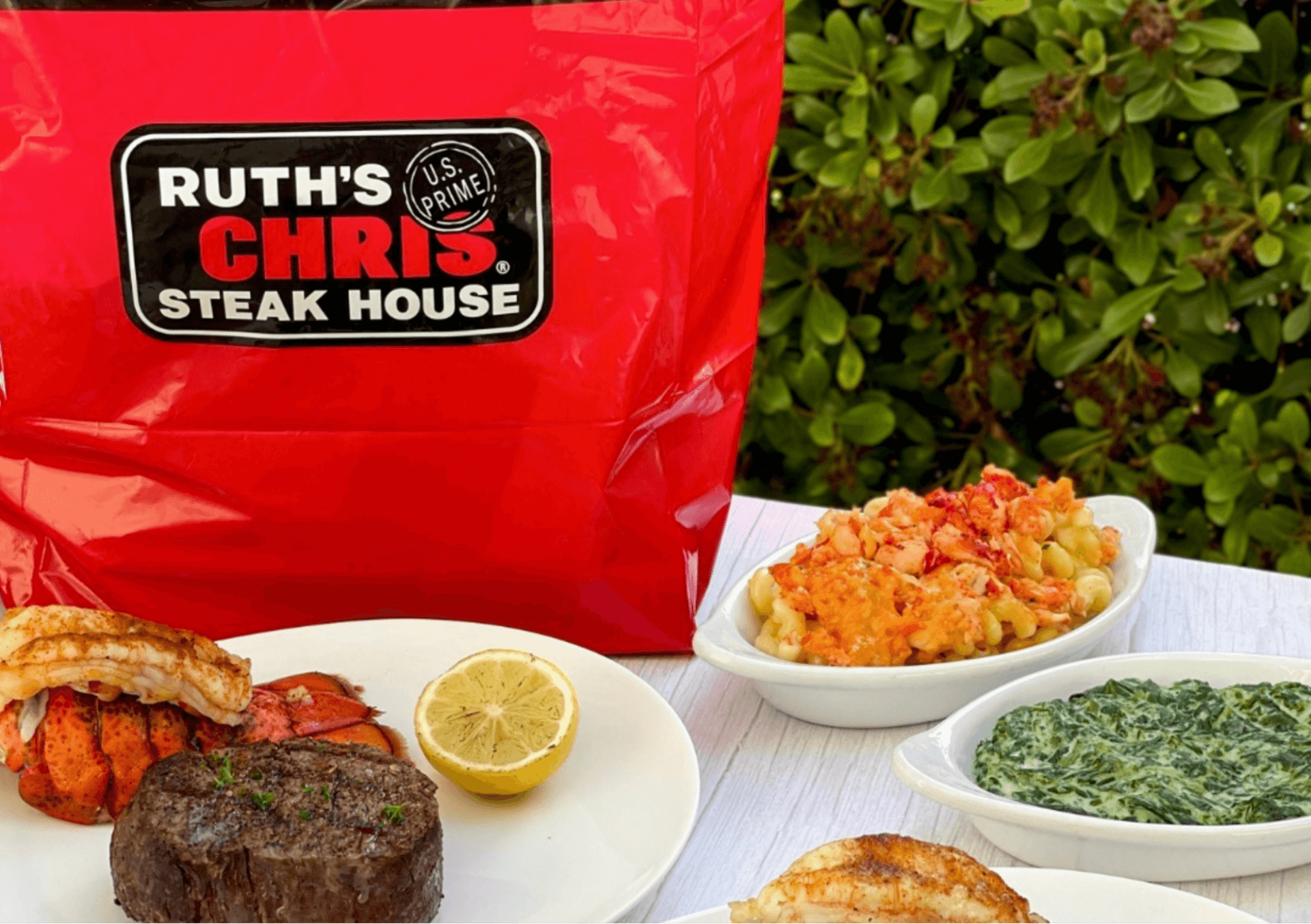
Fine dining restaurants offer the highest quality food and service, often with a high-end, sophisticated atmosphere. They typically have more expensive prices and a formal dress code. While less common as chains due to their high operating costs and unique offerings, there are some examples like Ruth’s Chris Steak House.
Theme Restaurants
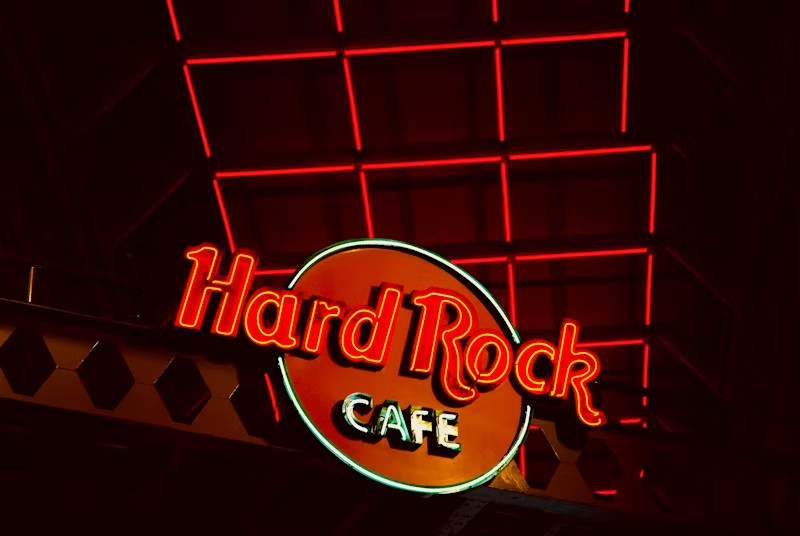
Theme restaurants build their brand around a specific theme or concept, which is integrated into their decor, menu, and overall dining experience. Examples include Hard Rock Cafe and Rainforest Cafe.
Each type of restaurant has its own unique considerations when it comes to developing a chain, including target market, operational complexity, and cost structure. It’s important to choose the type that aligns best with your business goals and brand concept.