Talk to sales Contact Login English

How to Start a Food Business From Home (Step-by-Step)

Contents

Starting a food business from home means producing food in your home kitchen for sale to customers, usually under your state’s cottage food law or home kitchen permit program.

The 7-step process is: (1) conceptualize your business — pick a niche, research the market, and write a food business plan; (2) handle legalities — get your cottage food permit, business license, and food handler certificate; (3) set up a compliant home kitchen; (4) develop your menu, pricing, and food-prep workflow; (5) market and brand your business; (6) set up sales and an online ordering channel; and (7) manage your finances, startup costs, and plan to scale.

In most U.S. states you can launch for under $1,000 in startup costs, but cottage food laws cap how much you can earn (typically $50,000–$150,000/year) and limit you to non-potentially hazardous foods (baked goods, jams, dry mixes).

This guide walks through every step, with state-by-state legal details, real cost breakdowns, and the exact permits you need.

Key Takeaways

  • Cottage food laws in 49 states let you legally sell certain foods made in your home kitchen — annual revenue caps range from $25,000 (NJ) to over $150,000 (CA Class B).
  • You generally do not need FDA registration for a home food business — FDA covers commercial facilities, while your state’s Department of Health regulates cottage food and MEHKO operations.
  • You can legally sell non-potentially hazardous foods (baked goods, jams, dry mixes, candy, honey) under most cottage food laws. Hot or refrigerated meals usually require a MEHKO permit or a commercial kitchen.
  • Typical startup costs for a home food business: $910–$4,830, broken down across permits ($50–$500), kitchen equipment ($300–$2,000), liability insurance ($300–$800/yr), and packaging/labeling.
  • You need a Food Handler Certificate (ServSafe or ANSI-accredited equivalent) in nearly every state — costs $10–$30 and takes about 2 hours online.
  • Selling online is allowed under cottage food laws in some states (e.g., California permits online sale with in-state delivery only), and an online ordering system lets you avoid third-party commissions of around 15–30%.

7-step process timeline for starting a food business from home

Best Home-Based Food Business Ideas

Before you start, pick a model that matches your skills, your state’s cottage food rules, and your time. These six are the most accessible:

1. Baked Goods & Specialty CPG

Cookies, breads, granola, biscotti, brownies, scones. Almost every cottage food law allows shelf-stable baked goods, so this is the lowest legal-friction path. Sell at farmers’ markets, on Etsy (in states that allow online cottage food sales), and through Instagram. Pair this with a clear bakery business plan template before launch.

2. Meal Prep & Meal Kit Delivery

Ready-to-eat weekly meals for busy professionals or families. Higher revenue per customer, but most states require a MEHKO permit for hot/refrigerated meals — check your state before launching.

3. Home Catering

Corporate lunches, small events, weddings. Catering often requires a separate catering license on top of cottage food. Get a catering business plan to map costs and pricing per event.

4. Jams, Sauces & Preserves

Specialty preserves, hot sauces, salsas (shelf-stable, low water-activity formulations). Excellent for online sale because they ship well. Test recipes for shelf life before commercial production.

5. Virtual Cooking Classes & Recipe Subscriptions

Sell knowledge instead of food. No cottage food permit needed — pure digital/services. Charge per class on Zoom or sell evergreen recipes via a Substack or membership site.

6. Coffee, Spice Blends & Dry Mixes

Roasted coffee (in states that allow it), spice rubs, dry soup mixes, pancake mixes. High margin, long shelf life, easy to ship. Check whether roasting coffee requires extra licensing in your state.

Looking for a more detailed list of profit potential by category? See most profitable food products to sell.

Step 1: Choose Your Niche and Write a Business Plan

Every home food business starts with two decisions: what you’ll sell and whether there’s demand for it.

Before you touch permits or equipment, define your niche, validate it with market research, and put the numbers into a food business plan.

Identify Your Niche

The first step in establishing your home-based food business is identifying what type of food or culinary service you wish to offer. 

This could range from baked goods, ethnic cuisines, and health-conscious meals to artisanal products. The key is to find a niche that not only excites you but also has a demand in the market.

Perform Market Research

Understanding the landscape of food businesses is crucial. Market research helps in identifying your target audience, understanding their preferences, and gauging the competition. 

  • Identify your target market: Define your ideal customer demographic.
  • Analyze competitors: Research existing food businesses in your niche.
  • Customer surveys and feedback: Gather insights from potential customers.
  • Study industry trends: Stay updated on food industry developments.
  • Pricing analysis: Determine competitive pricing strategies.
  • Marketing strategy: Develop a restaurant marketing plan to promote your food business.
  • Product testing: Get feedback on your food products through sampling.
  • Budgeting and financial analysis: Plan your business finances accordingly.

This phase is about asking questions: What food businesses are thriving in your area? What do customers in your community crave? The answers will guide the direction of your business.

Develop a Unique Selling Proposition (USP)

Your USP sets you apart from other food businesses. It could be a signature dish, an innovative service model, a signature product, or a niche dietary focus.

Your USP should align with your personal values and resonate with your target market. It’s what will make your home-based food business memorable and enticing to customers.

Craft a Business Plan

A restaurant business plan is the blueprint for your business’s success. It should detail your business concept, comprehensive market research, USP, marketing strategies, financial planning, and operational guidelines. 

Remember to include all possible data, including housing and utility costs, meal delivery services, or a small food business website. 

When selling food from home, your business plan also needs to address specific challenges such as space constraints, scalability, and delivery logistics. A well-structured business plan not only guides your business decisions but also is essential if you’re seeking financing or partnerships.

Step 2: Get Your Permits, Licenses, and Insurance

The path to becoming a successful food business owner, particularly when you start a food business from home, includes understanding and complying with various legal and regulatory requirements. 

This due diligence is critical not only for the legal operation of your business but also for ensuring customer safety and building trust.

The 5 Permits Most Home Food Businesses Need

Most U.S. home food businesses need five permits or registrations. Requirements vary by state, but the typical stack is:

Permit / Registration Purpose Typical Cost Where to Apply
Cottage Food Operation permit (CFO) or Home Kitchen permit (MEHKO) Legally produce food in your home kitchen for sale $50–$500 County health department
Business License Legally operate a business in your city/county $50–$400 City clerk or county business office
Food Handler Certificate (ServSafe or ANSI-accredited equivalent) Demonstrate food safety knowledge $10–$30 Online (ServSafe.com, StateFoodSafety, eFoodHandlers)
DBA / LLC registration Operate under a brand name and limit liability $50–$200 Secretary of State
Sales Tax Permit / Seller's Permit Collect and remit sales tax Free–$100 State Department of Revenue

You do not generally need FDA registration to operate a cottage food business — the FDA regulates commercial food facilities, while your state’s Department of Health regulates home kitchens (see the FDA’s Starting a Food Business guide for the line between the two).

Cottage Food Operation (CFO) vs. MEHKO

Two main legal frameworks let you sell food made at home in the United States:

  • Cottage Food Operation (CFO) — for shelf-stable, non-potentially hazardous foods (baked goods, jams, dry mixes). Lower revenue caps, simpler approval, sometimes no kitchen inspection. Available in 49 states.
  • Microenterprise Home Kitchen Operation (MEHKO) — for hot meals and ready-to-eat foods, basically a mini-restaurant in your home. Stricter inspection, daily/weekly meal limits, county-by-county opt-in. Currently in California (since 2018), with similar laws emerging in Utah and Wyoming.

Revenue caps and rules by state (2026):

State Program 2026 Revenue Cap Allowed Foods
California CFO Class A (direct sale) $88,878 Shelf-stable only
California CFO Class B (direct + indirect) $177,756 Shelf-stable only
California MEHKO $110,442 + 30 meals/day max Hot meals + ready-to-eat
Texas Cottage Food $50,000 Shelf-stable only
Colorado Cottage Food $10,000 per product Shelf-stable only
Florida Cottage Food $250,000 Shelf-stable only
New Jersey Cottage Food $50,000 Shelf-stable only

Decision tree to determine whether you can sell food from home in the US

Liability & Product Insurance for Home Food Businesses

A home food business needs product liability insurance at minimum — it covers claims if a customer gets sick from your product. Typical annual cost for a starter cottage food operation: $300–$800/year for $1M coverage.

Three insurance types matter:

  • Product liability — covers customer illness claims. Required by most cottage food laws if you sell at farmers’ markets or to retailers. $300–$800/yr.
  • General liability — covers customer injury claims (e.g., slip on your property). $400–$700/yr if customers visit.
  • Home-based business endorsement to your homeowner’s policy — most home policies exclude business activity; an endorsement extends coverage to your kitchen equipment and inventory. $50–$150/yr added to homeowner’s.

Insurance brokers serving cottage food operators include FLIP (Food Liability Insurance Program), Hiscox, and Next Insurance. Get at least two quotes before buying.

Step 3: Set Up a Compliant Home Kitchen

As a food business owner, one of your primary tasks is to transform your home kitchen into a space that is not only efficient for preparing food but also compliant with health standards. This setup is crucial for the smooth operation of your business, whether you’re selling food online or directly to customers in your community.

Essential Equipment for Your Kitchen

The right restaurant equipment is the backbone of any efficient kitchen. Start with the basics: a good quality stove, refrigerator, and an array of cooking utensils. Depending on your menu, you might need specialized equipment like mixers, blenders, or baking ovens. 

Managing Space: Personal vs. Professional Use

A significant challenge for home-based food businesses is balancing the personal and professional use of the kitchen.

Since you’re not going to have a dedicated commercial space, it’s important to establish clear boundaries so that your home food business doesn’t overwhelm you.

Consider using separate storage for your business supplies and personal items. Organizing your workspace efficiently can maximize productivity while ensuring your kitchen remains a functional part of your home.

Step 4: Develop Your Products, Menu, and Pricing

Developing an enticing and feasible menu is a cornerstone of your home-based food business. It should reflect your culinary strengths and appeal to your target market. Simultaneously, your food preparation process must be efficient, cost-effective, and scalable.

Designing a Market-Responsive Menu

Your menu should be a reflection of both your culinary style and the preferences of your target audience. Conducting market research can provide insights into popular trends and dietary needs in your community. 

Whether you’re focusing on comfort food, health-conscious meals, or ethnic cuisines, your menu items should stand out and cater to the tastes of your clientele. Remember, a smaller, well-curated menu often trumps an extensive, unfocused one.

Efficient Food Preparation Techniques

Efficiency in food preparation is vital for the smooth operation of your business. This includes mastering prep work, cooking in batches, and effectively managing your time. 

Streamlining these processes reduces waste, saves time, and ensures consistency in the quality of your dishes. As you grow, these efficiencies can make scaling up your operations much smoother.

Sourcing Ingredients: Quality and Cost-Effectiveness

The quality of your ingredients directly impacts the quality of your food. Establishing relationships with local suppliers can provide access to fresh, high-quality ingredients while also supporting the local economy. 

However, balancing quality with cost-effectiveness is key. You might also explore wholesale options for non-perishable items to save costs in the long run.

Pricing Strategies for Profitability

Setting the right prices for your products is a delicate balance. Your prices should cover costs, reflect the quality of your products, and remain competitive in the market. 

Conduct market research to understand the pricing strategies of similar businesses. Remember, underpricing can hurt your profitability while overpricing can deter potential customers.

Step 5: Market and Brand Your Home Food Business

In the competitive food industry, effective marketing and branding are essential for the success of your home-based food business.

Your brand should tell your story and connect with your target audience, while your marketing efforts should aim to build visibility and attract customers.

Learn more with this guide: Food business marketing strategies.

Building a Strong Brand Identity

Brand is more than just a logo or a color scheme; it’s the entire experience you offer. It includes the quality of your food, the style of your packaging, and the way you interact with customers. 

Develop a brand identity that reflects your values and resonates with your target audience. This identity should be consistent across all aspects of your business, from your product presentation to your online presence.

  • All online food businesses will need a website
  • Building your online brand will help you become independent and avoid third-party delivery service fees
  • Consider using your dedicated restaurant marketing tools to build your personal brand

Leveraging Online Platforms

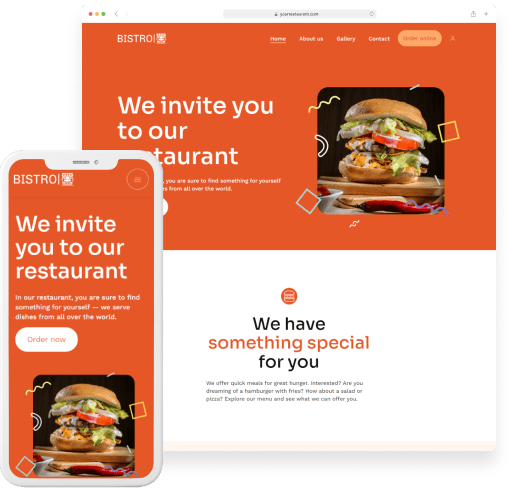
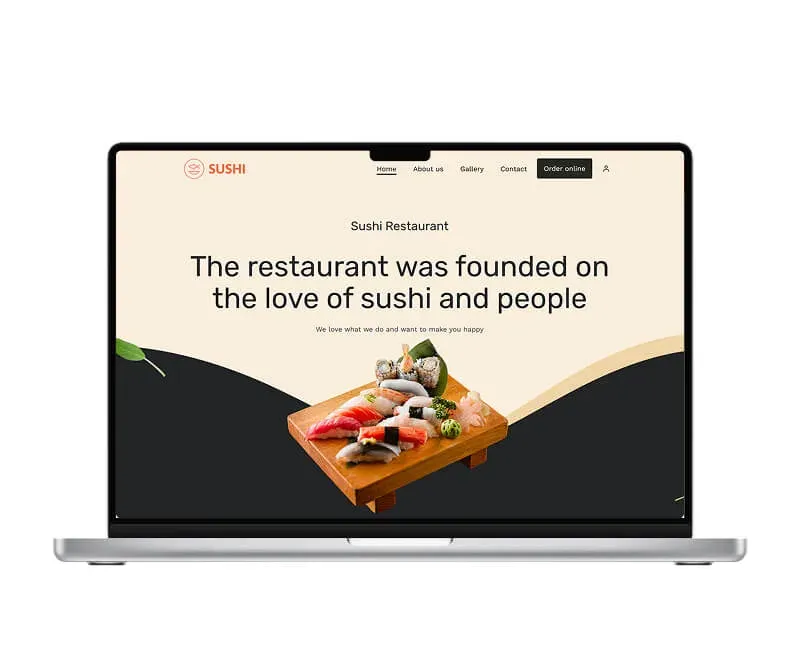
In the digital age, having strong restaurant social media marketing is crucial. Create a user-friendly website showcasing your menu, story, and ordering information.

Utilize social media platforms to engage with your audience, share mouth-watering photos of your food, and promote special offers. 

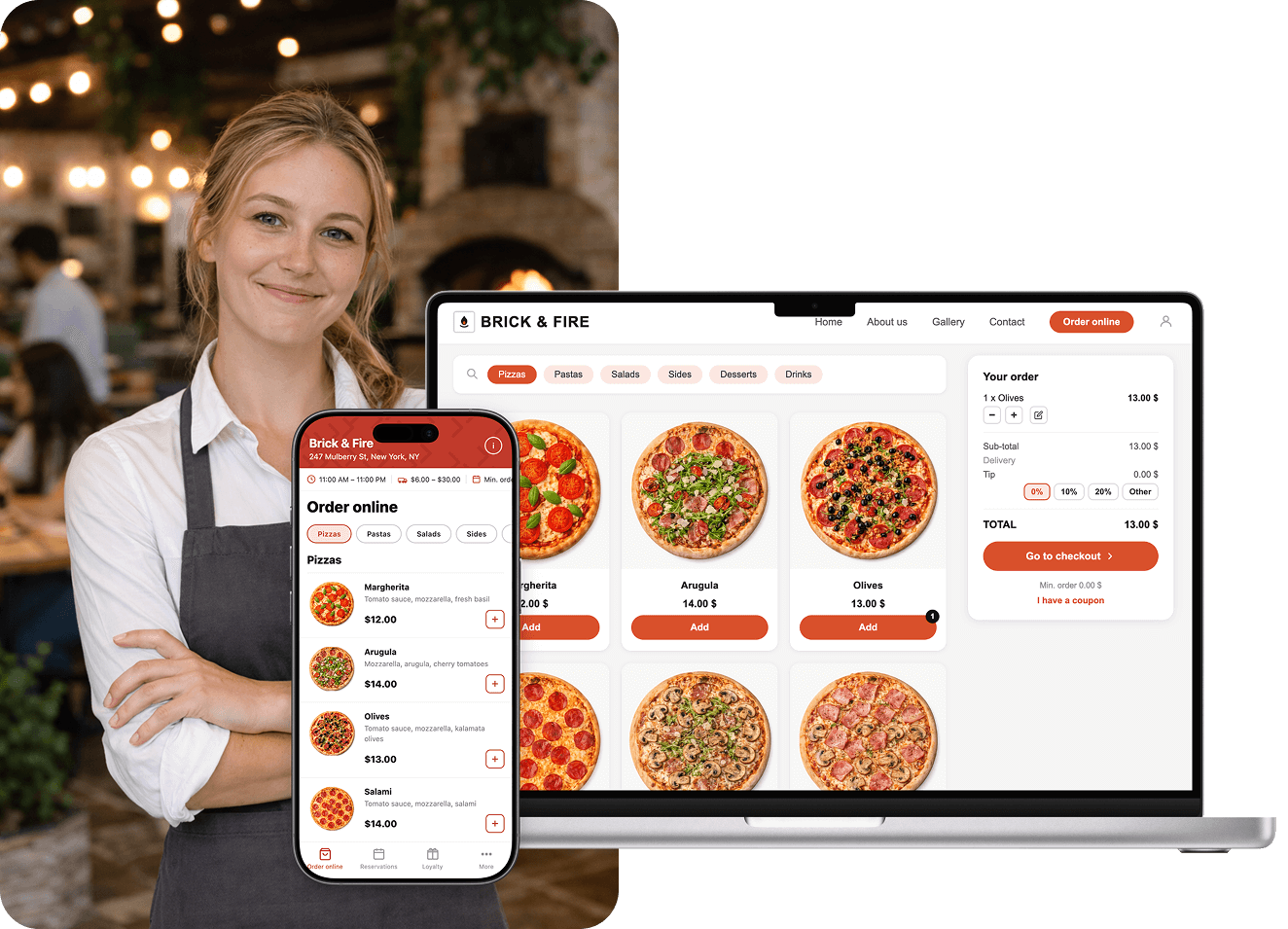
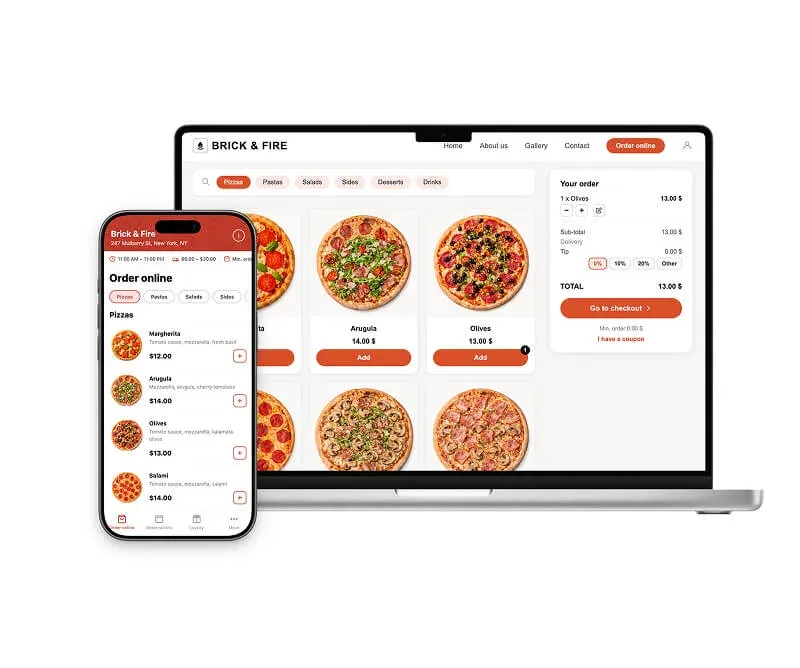
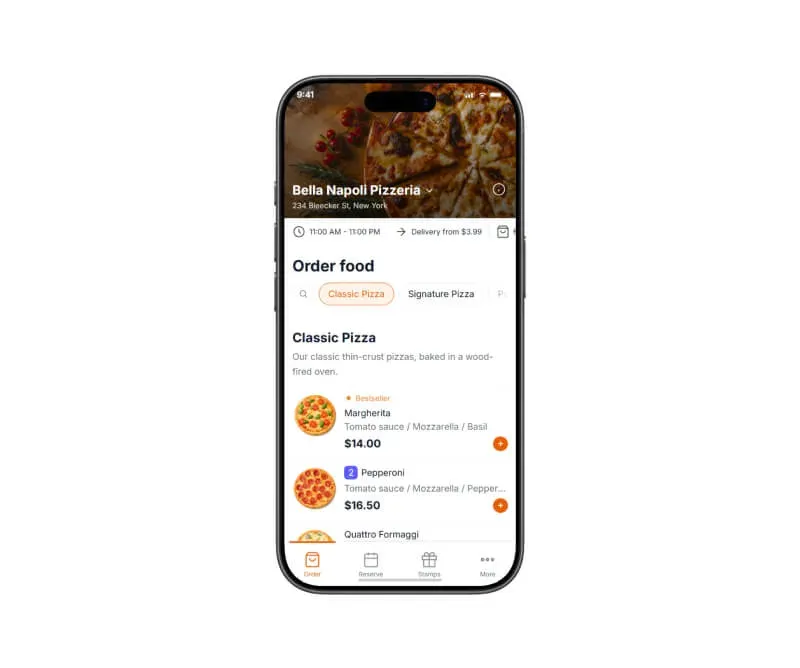
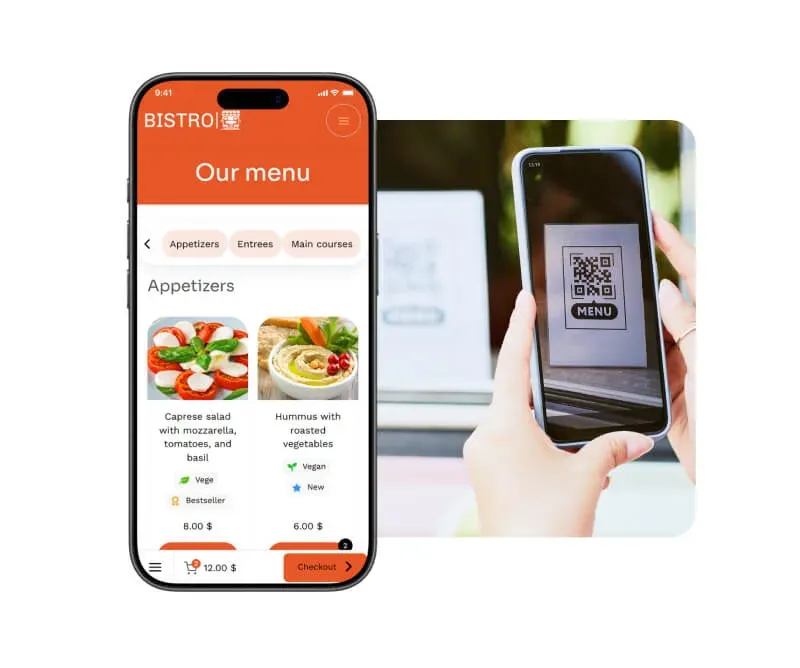
For selling food online, consider a dedicated food ordering system. 

Engaging with Local Communities

Local engagement can be a powerful marketing tool for home-based food businesses. Participate in local markets, food fairs, and community events to showcase your products. 

Building relationships with local customers can lead to word-of-mouth referrals, which are invaluable for small businesses. Collaborations with other local businesses can also expand your reach.

Creative Packaging and Presentation

The way your food is packaged and presented can significantly enhance its appeal. Invest in packaging that not only looks good but also preserves the quality of your food. 

Custom packaging that aligns with your brand identity can make your products more memorable and shareable, especially in today’s social media-driven world.

Effective marketing and branding are about connecting with your audience and differentiating your home-based food business in the market. 

By building a strong brand identity, leveraging online platforms, engaging with local communities, and focusing on creative packaging and presentation, you can attract and retain a loyal customer base.

Step 6: Set Up Online Ordering and Manage Sales

The success of your home-based food business depends not only on the quality of your food but also on how you manage sales and customer experiences. 

In this digital era, the ease of ordering, the delivery efficiency, and the quality of customer interactions play pivotal roles in building customer loyalty and driving repeat business.

Setting Up an Efficient Ordering System

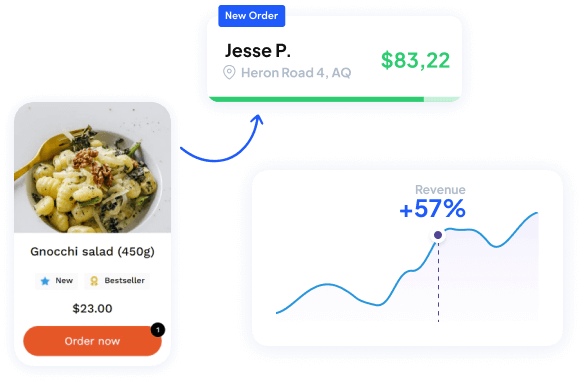
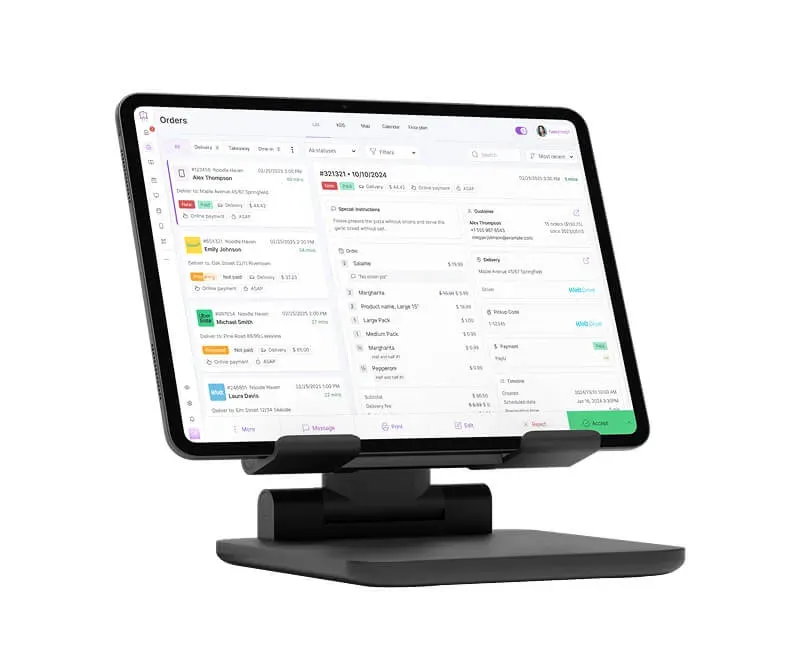
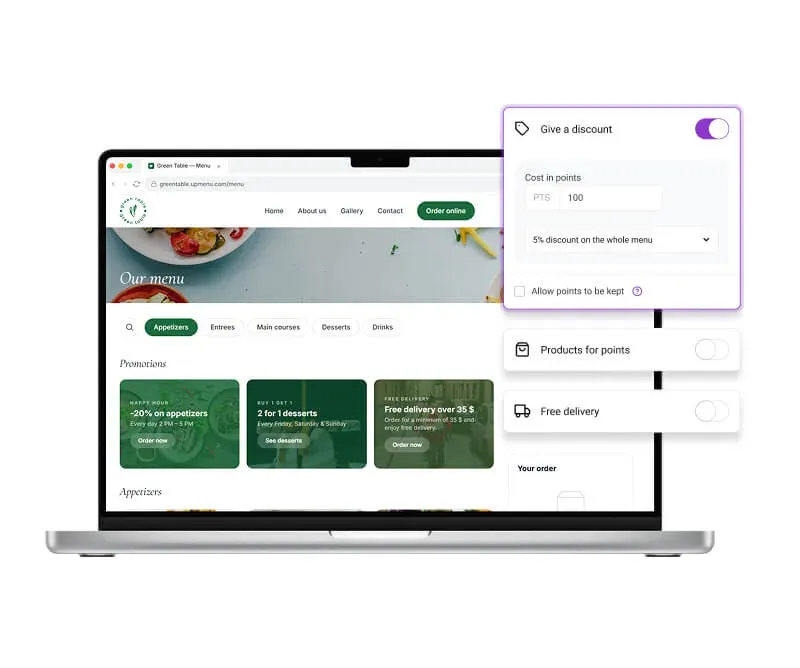
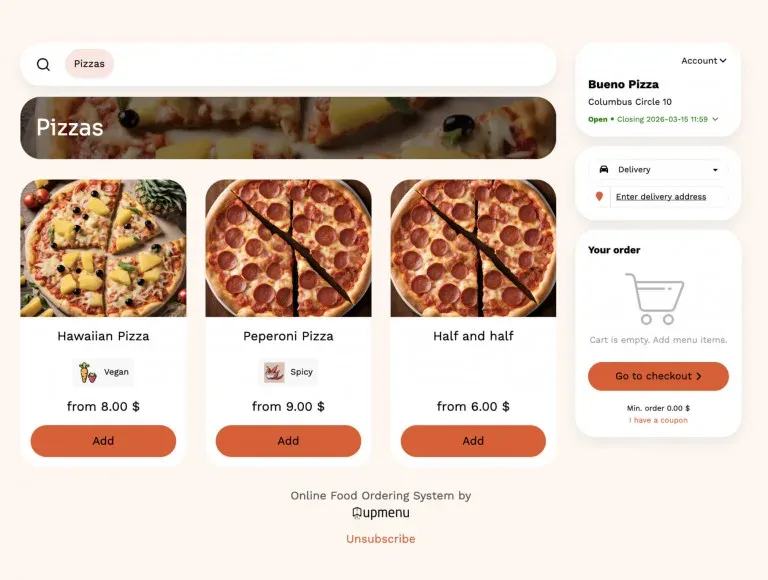
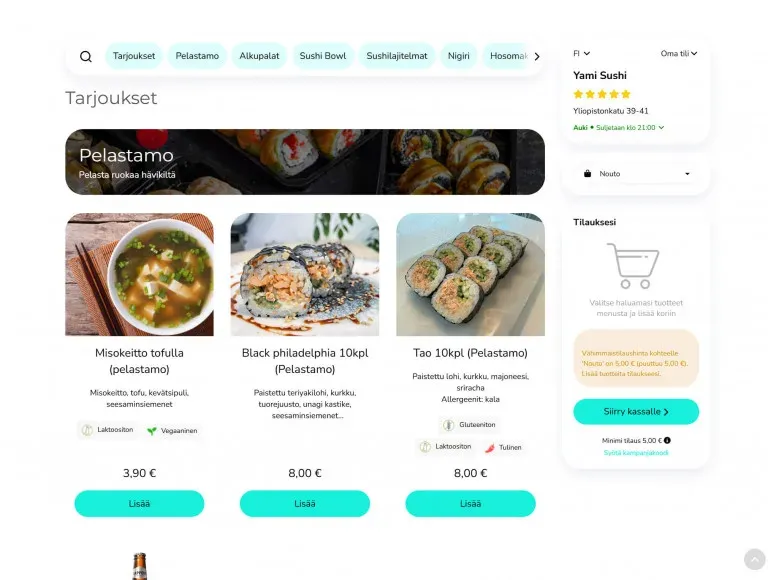
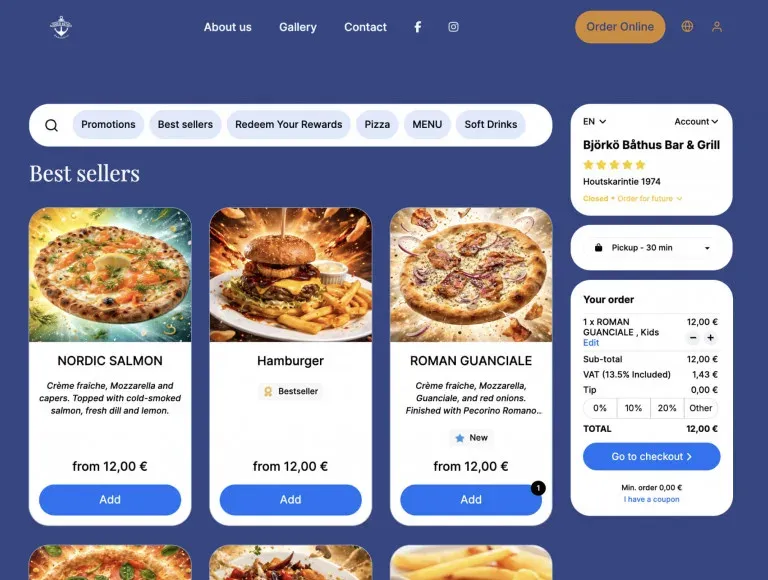
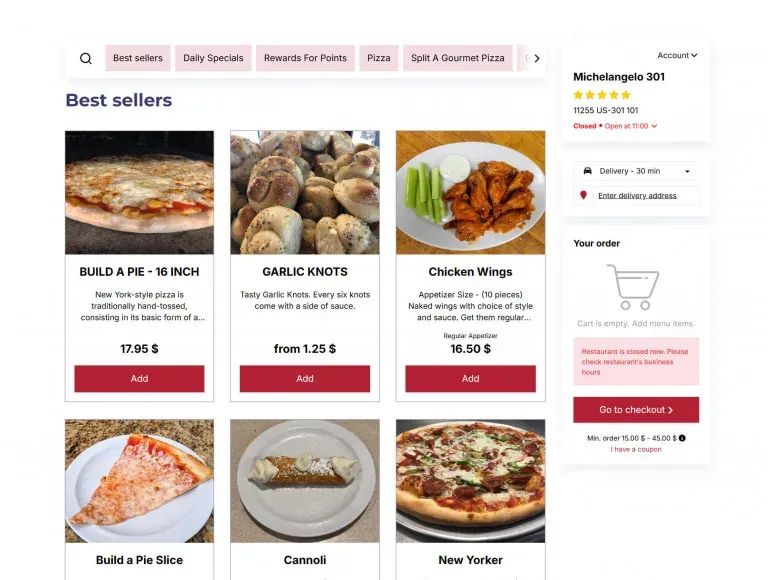
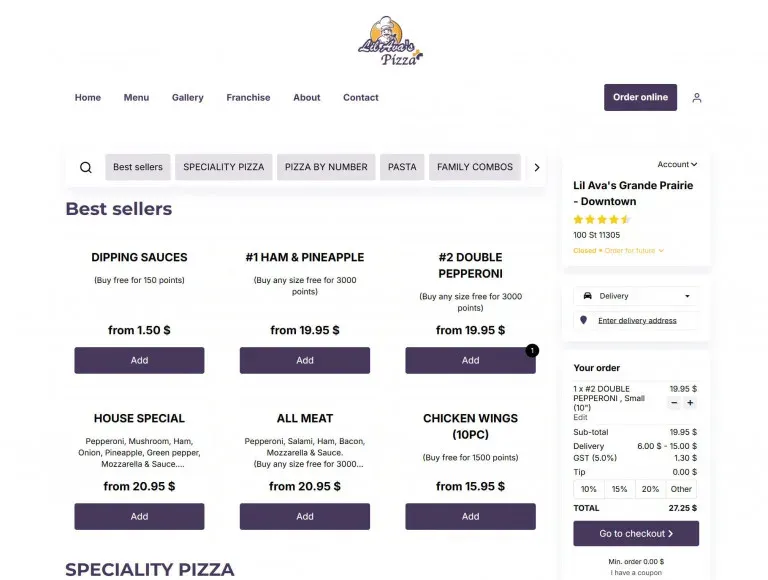
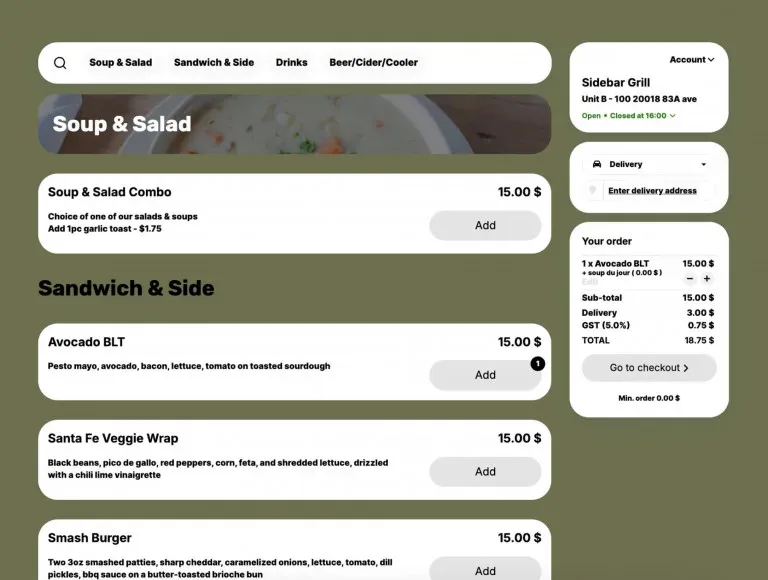
An online ordering system lets you accept orders 24/7 without managing phone calls or DM threads — and avoids the 15-30% commission charged by third-party delivery apps. For home food businesses, three setup paths work:

  1. Free social media + payment app — Instagram DM orders + Venmo/Cash App. Zero cost, scales poorly past ~20 orders/week.
  2. Website with embedded ordering — your own domain with an online ordering system for small food businesses and Stripe checkout. ~$0–$50/month.
  3. Marketplace listing — Etsy (legal in some states for shelf-stable food), Castiron, Shopify. 3-15% commission.

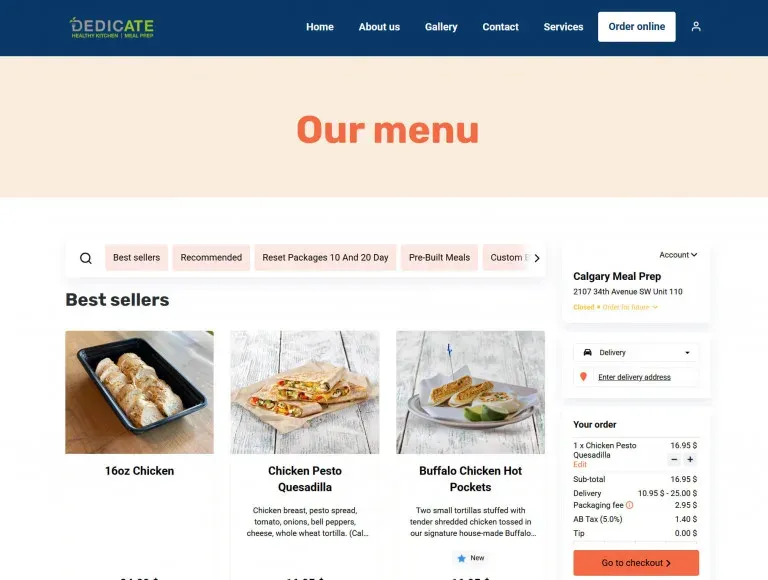
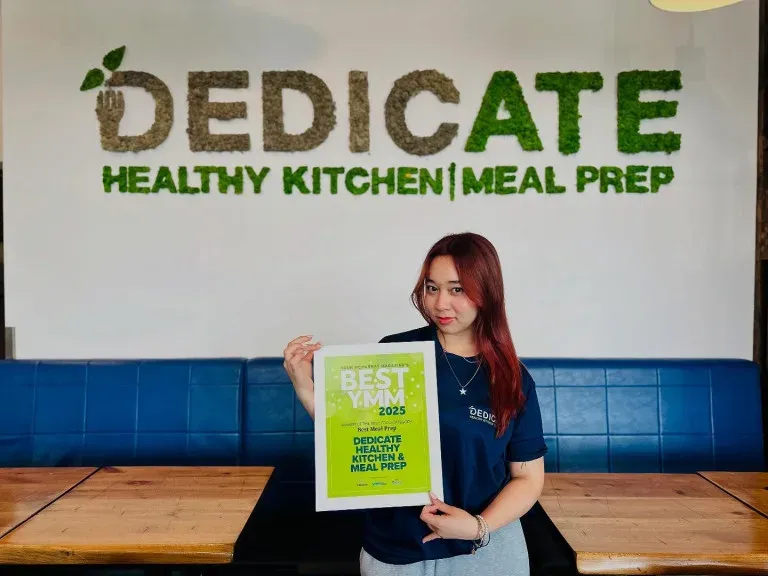
Real example: Dedicate Healthy Kitchen, a healthy meal and catering brand in Calgary, generated $789K in direct online orders from January–November 2024 and avoided $118,397 in third-party commissions by running their own ordering channel. The branded mobile app alone accounted for 34% of orders.

Providing Exceptional Customer Service

Customer service can make or break a food business. Prompt responses to inquiries, addressing concerns, and going above and beyond when possible can create lasting impressions. Personal touches, like thank-you notes with orders or remembering repeat customers’ preferences, can significantly enhance the customer experience.

Managing Customer Feedback

Actively seek and manage customer feedback. This can be through follow-up emails, feedback forms included with orders, or engaging with customers on social media. 

Constructive feedback is invaluable for improving your products and services, while positive reviews can be used in your marketing efforts.

Cultivating Customer Loyalty

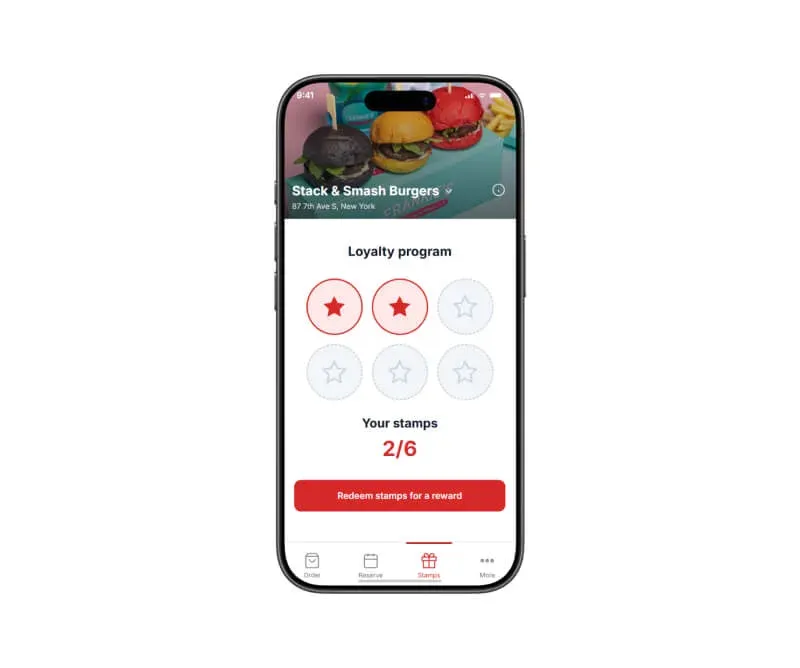
Building customer loyalty is crucial for sustained business growth. Implementing a restaurant loyalty program, offering special discounts to repeat customers, or creating exclusive menu items for regulars can foster a loyal customer base.

A satisfied customer not only returns but is also likely to refer others to your business.

Managing sales and customer experiences effectively is about creating a seamless, enjoyable journey for your customers, from the moment they discover your business to the post-purchase phase. 

Step 7: Manage Finances, Costs, and Scaling

Running a successful home-based food business requires not just culinary skills but also savvy financial management and strategic planning for growth. Understanding and managing your finances effectively is key to ensuring the sustainability and scalability of your business.

Home Food Business Startup Costs Breakdown (2026)

Most home food businesses launch for under $2,500 if they focus on shelf-stable cottage food products with no employees. Costs scale up if you need a separate commercial-grade refrigerator, more advanced packaging equipment, or specialized ingredients.

Category Low Typical High
Cottage food permit / MEHKO $50 $200 $500
Food handler certificate (ServSafe) $10 $15 $30
Business license + DBA $100 $250 $600
Kitchen equipment (extra) $300 $800 $2,000
Packaging & labels $100 $200 $300
Liability insurance (annual) $300 $500 $800
Website + online ordering setup $0 $150 $300
Initial ingredients $100 $300 $500
TOTAL $960 $2,415 $5,030

For a deeper cost analysis, including options like ghost kitchens and brick-and-mortar, see how much it costs to open a restaurant.

Keeping Track of Expenses and Income

Effective bookkeeping is crucial. Regularly tracking your expenses and income helps you understand the financial health of your business. 

It also simplifies tax filings and is useful if you seek funding or investment in the future. Consider using accounting software or hiring a professional for more accurate and efficient financial management.

Strategies for Scaling and Expanding Your Business

As your business grows, you’ll need to think about scaling. This could involve expanding your menu, increasing production capacity, or extending your marketing reach. 

Consider the feasibility and costs associated with each growth strategy. It’s also crucial to maintain the quality and customer service standards that helped your business succeed initially.

Financial management and planning for growth are critical to the long-term success of your home-based food business. 

Frequently Asked Questions (FAQ)

Yes. In almost every U.S. state, you need at least three things: a state-issued cottage food permit (or MEHKO/home kitchen permit), a city or county business license, and a food handler certificate. Some states also require a sales tax permit. Specific requirements depend on what you sell and where you live.

Under most state cottage food laws, you can sell non-potentially hazardous foods that don’t require refrigeration: baked goods (cookies, breads, muffins), jams and jellies, dry mixes, granola, honey, candy, popcorn, roasted coffee. Hot meals, fresh meat, raw dairy, and refrigerated items typically require a MEHKO permit or a commercial kitchen.

Typical startup costs run $910 to $4,830 for a small cottage food operation. Breakdown: permits and licenses $100–$1,000, food handler certificate $10–$30, kitchen equipment $300–$2,000, packaging and labels $100–$300, liability insurance $300–$800 annually, website and online ordering $0–$300, initial ingredients $100–$500.

No — in nearly all cases, home-based food businesses operating under state cottage food laws do not need to register with the FDA. The FDA regulates commercial food facilities; state Departments of Health regulate home kitchens. You should still follow FDA food safety basics, especially for labeling and allergen disclosure.

Cottage food laws cap your gross revenue. Examples for 2026: California Class A $88,878 and Class B $177,756, Texas $50,000, Colorado $10,000 per product, Florida $250,000, New Jersey $50,000. Beyond these caps you’ll need to move to a commercial kitchen.

Yes, strongly recommended. At minimum, get product liability insurance ($300–$800/year for $1M coverage) — it covers customer illness claims. If customers visit your home, add general liability ($400–$700/year). Most homeowner’s insurance excludes business activity, so add a home-based business endorsement ($50–$150/year added to your policy).

Most cottage food businesses launch in 30–90 days. Permit applications take 2–8 weeks depending on the state and county. Food handler certification is same-day online. Setting up your kitchen, recipes, branding, and online ordering channel typically takes another 2-4 weeks of focused work.

Three signals that it’s time to scale:

  1. You’re hitting your state’s cottage food revenue cap.
  2. Demand exceeds what your home kitchen can produce (typically 200+ orders/week)
  3. You want to sell categories that cottage food laws prohibit (hot meals, dairy, meat).

Common next steps: rent a shared commercial kitchen (~$15–$30/hour), open a ghost kitchen, or open a brick-and-mortar restaurant.

Picture of Dominik Bartoszek

Dominik Bartoszek

8+ years Digital Marketer driven by data & AI. Helping restaurants grow more through online orders.

How helpful was this post?

Share this article

More from UpMenu:

Try for free,
no commitment!

Ready to take the next step for your restaurant business?
Schedule a Demo Today! 🚀