

In the restaurant business, knowing your target customers is really important. This helps you make the right food and marketing choices.
In this article, we’ll discuss how to figure out your restaurant’s target market, exploring the key factors that can help you reach your target customers and pave the way for long-term success in the restaurant industry.
Whether you run a fancy restaurant or a cozy café, discovering and connecting with your ideal market segment can be the recipe for sustained growth and customer loyalty.

Before opening a restaurant, conducting a market analysis to write a restaurant business plan is important. This is when you define your restaurant concept and conduct your target market analysis.
It is important to ask yourself:
- Who is your target customer?
- What is their age?
- What are their eating habits?
- What are their preferences?
Creating a restaurant business plan needs to start with conducting a market analysis, a crucial first step when preparing to open a restaurant.
If you are already running a restaurant, but it’s not profitable, the reason might also be the lack of marketing efforts toward attracting your restaurant’s target audience that matches your restaurant’s concept.
Let’s take a closer look at this subject.

What is a restaurant’s target market
A restaurant target market is a specific group of people it aims to attract as its main customers. It includes the individuals most likely to dine at the restaurant regularly and enjoy its offerings.
This target market is identified based on various factors, such as
- demographics (age, gender, income, location),
- psychographics (lifestyle, preferences, values),
- behavior (eating habits, dining frequency).
Understanding and catering to the needs and preferences of this defined target market for restaurants is crucial for a restaurant’s business and marketing strategies.
Why a restaurant’s target market matters
Identifying your restaurants target market is crucial for several reasons, including the following
- Effective marketing: Knowing your target audience helps you create restaurant marketing strategies that work well for your restaurant business.
- Customized menus and services: Understanding what your target market likes allows you to create menus and services that match their specific preferences, making your repeat customers happier.
- Competitive advantage: Focusing on the right customers gives you an advantage over competitors because you’re appealing to the people most likely to choose your restaurant over direct and indirect competition.
- Customer dedication: When you consistently meet your target market’s needs, it’s easier to build a group of loyal customers who keep coming back.
- Business expansion: Successful targeting can lead to more customers and income, helping your restaurant grow and last in the long run. According to Toast’s recent survey, approximately 29% of restaurants they surveyed say they are very likely to pursue restaurant expansion by adding new locations in the next 12 months.
The insights you gather about your customers will significantly influence every aspect of your business, including menu development, pricing strategies, and promotional tactics.
For example, your menu’s pricing must align with your target audience’s financial means to build a solid customer base.
Another example refers to the restaurant location. If you have not picked a spot, selecting one near your target market is important. If you already have a location, people living or working nearby should naturally become part of your potential customers.
How to discover your restaurant’s target audience
You can either hire an external company or do it yourself to identify your ideal customers. If you plan to discover your specific target market independently, follow the steps described below.
Step 1. Examine your direct competitors
The first step is to check the competition. Take a piece of paper and make a list of your direct competitors. Remember that by direct competitors, you can understand the restaurants which
- Serve the same type of cuisine (for example, both restaurants serve sushi)
- Offer similar dining experiences (for example, both are fine dining restaurants)
- Offer meals at a similar price range
- Aim to attract the same customers (for example, both restaurants target families with children or healthy food enthusiasts)
- Are located nearby (for example, at the same street or neighborhood, or in the case offering food delivery, deliver food in the same delivery zones)
On the other hand, indirect competition means all restaurants located in the same area but offering different types of cuisine or types of service. For example, a pizzeria’s indirect competitor could be a sushi restaurant.
Indirect competitors can offer substitute products or experiences that fulfill similar needs or desires. For example, a bakery specializing in pastries and coffee might indirectly compete with a breakfast cafe, as both serve breakfast items.

While identifying your target audience, focus on your direct competitors and visit them personally. Just go there for dinner or breakfast and make your observations.
During your visit, pay attention to the following details
- Restaurant menu – is it short or long? Is it formal or informal? Are there any menu descriptions? What menu items are available? Is there information on allergens? What is the pricing of menu items?
- Location – where is the restaurant located? For example, it could be located in the city center, suburban areas, shopping centers, tourist areas, or the business district. Is there any foot traffic? Are there any other restaurants near the dining establishment you visit?
- Atmosphere – is there a lively atmosphere, or is it rather elegant or cozy? How do people feel in a restaurant? Is the customer experience good? Who visits the restaurant? (for example, families, friends, coworkers). Are there more men or women visiting a restaurant? How are they dressed? What age are they? What are they ordering mostly? What are their spending habits?
Don’t forget about analyzing your competitor’s online presence. Start with checking if they have their restaurant websites.
If yes, do they use an online ordering system to enable customers to order food directly from their websites?
Do they use food delivery apps? Do they sell on platforms like Doordash or Uber Eats?
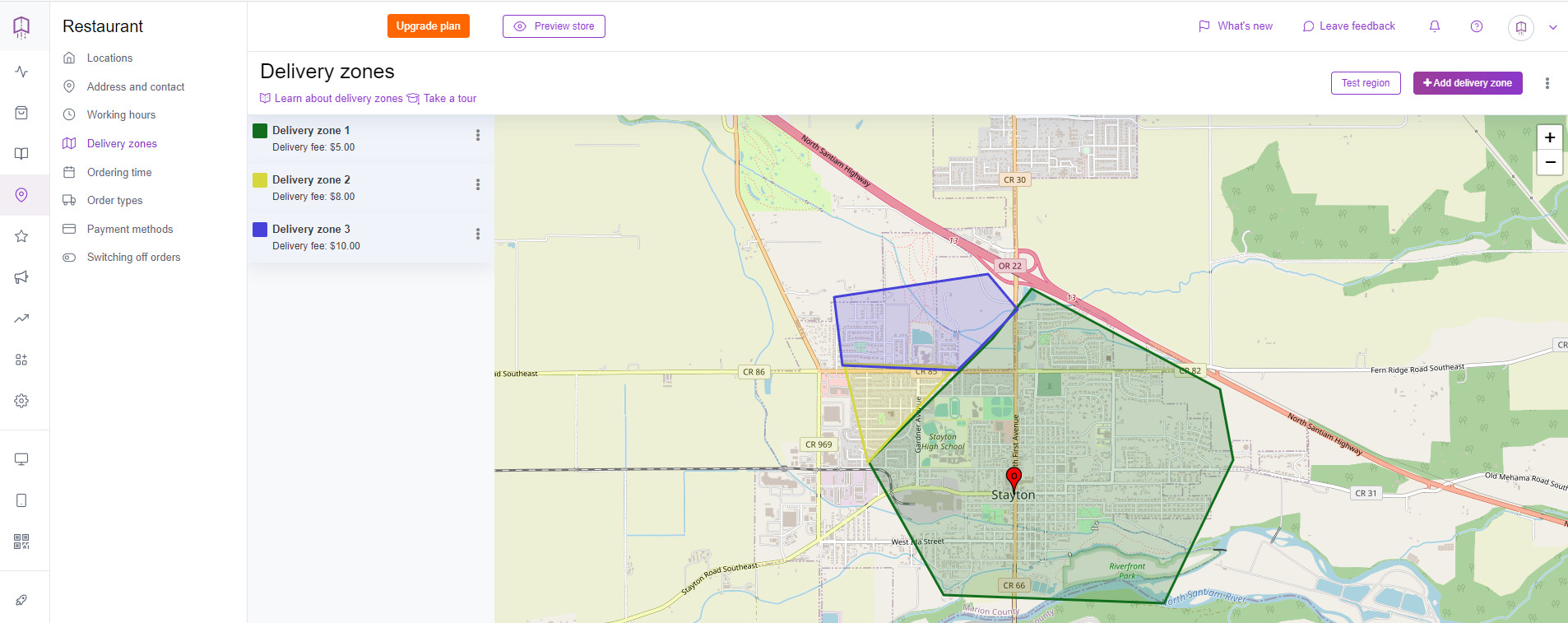
While considering offering online ordering in your restaurant, look for an online ordering system that enables restaurant owners to define their delivery zones specifically.
In UpMenu, you can easily draw delivery zones and, for each one, set up the minimum order value.
You can enable and disable each delivery zone anytime you need. You can also set up different delivery hours for different delivery zones.
Step 2. Organize the notes you made on the customers
Having visited and analyzed at least your three direct competitors, note any recurring themes or commonalities in your observations.
- Have you noticed that in all the places you visited, a restaurant menu is informal with the funny names of the dishes?
- Do all restaurants offer an online ordering feature?
- Do you consistently find that the atmosphere leans towards an energetic vibe?
- Do men or women stand for most of the restaurant’s customers?
- Are diners frequently dressed in formal or rather casual clothes?
- Do diners frequently order a main dish and a dessert?
- Is the background music always classical?
- Does the restaurant offer happy hours, and do many customers visit the restaurant during this time?
You can then organize the notes in a way that helps to see the customer segments and the patterns you notice concerning this given customer type. Check our example below.
How to connect with your target customer
Restaurants target market is chosen, and you already know your target audience. Now it’s time to think about which marketing efforts will help in local marketing and attracting your right target market.
A successful restaurant uses a variety of marketing strategies to reach its target restaurant market segment. A target audience for restaurants could be attracted in many ways, including
Building your restaurant website
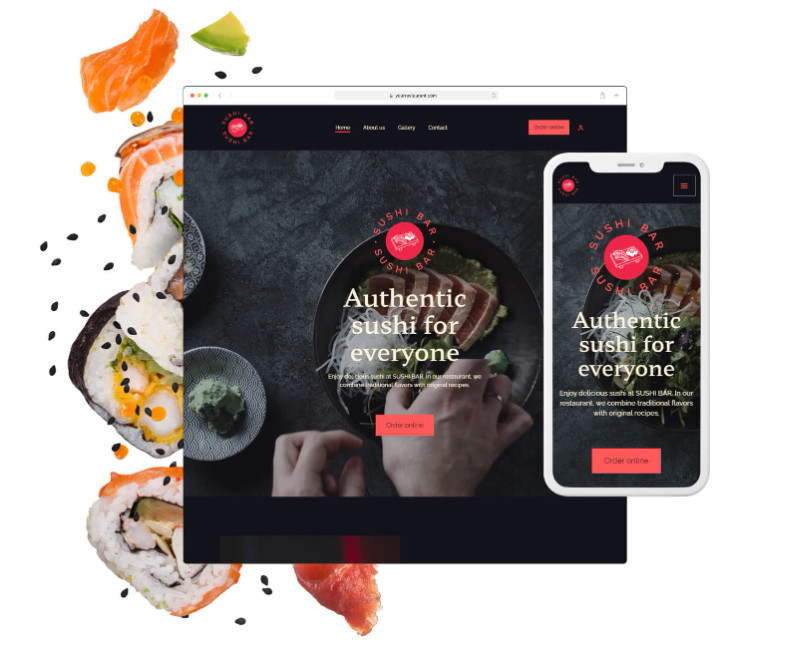
Create a restaurant website with an online ordering system to facilitate placing orders. For that purpose, you can use an intuitive restaurant website builder, choose one of the available restaurant website templates, add your menu, and enable online ordering.
Examples of Restaurant Target Markets
Below, we described three target market examples of a restaurant.
Downtown quick-service cafe
Your quick-service cafe caters primarily to busy office workers and professionals. It is located in the heart of a bustling metropolitan area and operates weekdays from 7:00 AM to 4:00 PM. It offers a range of breakfast and lunch options.
Customers typically favor takeout or delivery to their workplaces, with a few opting for a speedy dine-in experience. The lunchtime rush, from 11:30 AM to 1:30 PM, sees the highest restaurant foot traffic.
This establishment remains consistently busy throughout the year, thanks to its proximity to the downtown business district.
Family-friendly suburban restaurant
Your restaurant is in a suburban neighborhood, welcoming families with open arms. Open daily from 11:00 AM to 9:00 PM (with extended hours on weekends), it attracts local residents and diners from nearby areas.
Onsite dining is the preferred choice for most loyal customers, who appreciate the family-friendly atmosphere and a menu that caters to children. Evenings on weekdays and all day during weekends are the peak hours, making it a popular choice for family gatherings and casual dining.
Its customer base remains steady year-round, with slight variations during holidays and special occasions.

Beachfront seafood grill
Your seafood restaurant is right by the beach and has beautiful views. It’s open every day, and during the busy tourist season, it’s open for longer hours. People who love seafood, tourists, beach lovers, and locals come here to eat.
Most customers prefer dining onsite, enjoying fresh seafood and outdoor seating during good weather. It’s most crowded in the late afternoon and evening during the summer when many tourists are around.
In the off-season, it’s quieter, but regular customers keep returning. This restaurant’s success depends a lot on the time of year when more people visit the beach.