With lower overhead and upfront costs, a ghost restaurant can be a perfect way to increase your bottom line and allocate that revenue into your restaurant marketing budget to attract customers, help perfect your delivery strategy, or pilot the new cheese and macaroni-themed menu you want to try.
Plus, if you’re looking to start a restaurant with no money, this option is perfect.
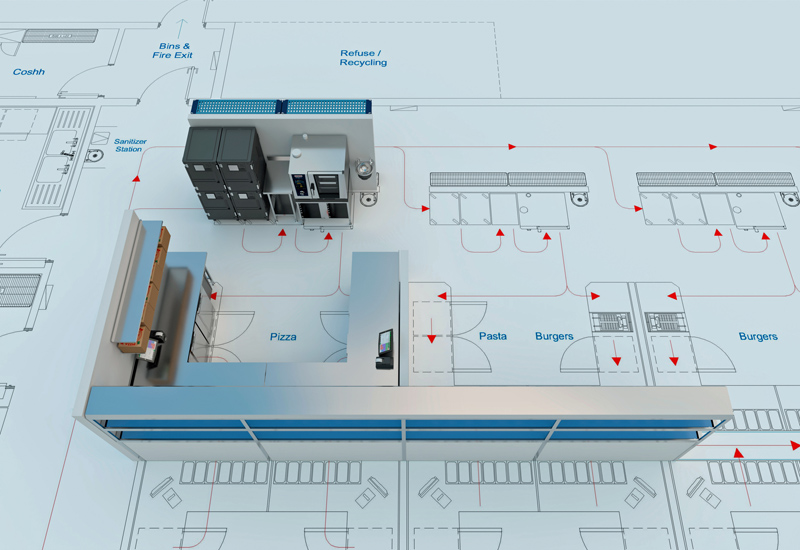
Here is your ghost kitchen checklist with the 12 easy yet effective steps that will show you how to set up a ghost kitchen and get into the ghost kitchen market.
Step 1: Analyze your market
Market research is critical to a business strategy and success. Not only does it help drive sales, but it also helps maximize budgets and increase brand loyalty.
Before setting up your ghost kitchen, perform comprehensive market research to know your target customers and competition.
1. Define your ideal customer
To conduct your market research, you must determine your target customers and understand who your competitors are. This will help you to understand the market and what customers look for.
When you know what kind of customers you’re catering to, it becomes much easier to customize your messaging to that specific restaurant target audience.
2. Research the market
Understanding the demand for the delivery-only restaurant industry is vital for determining whether this business model will be successful in your area.
First, check consumer behaviors and trends to see whether people want their food delivered directly to their doorsteps.
Research your targeted market to see what type of cuisine or food products are in high demand. This will help you choose your food niche and stand out.
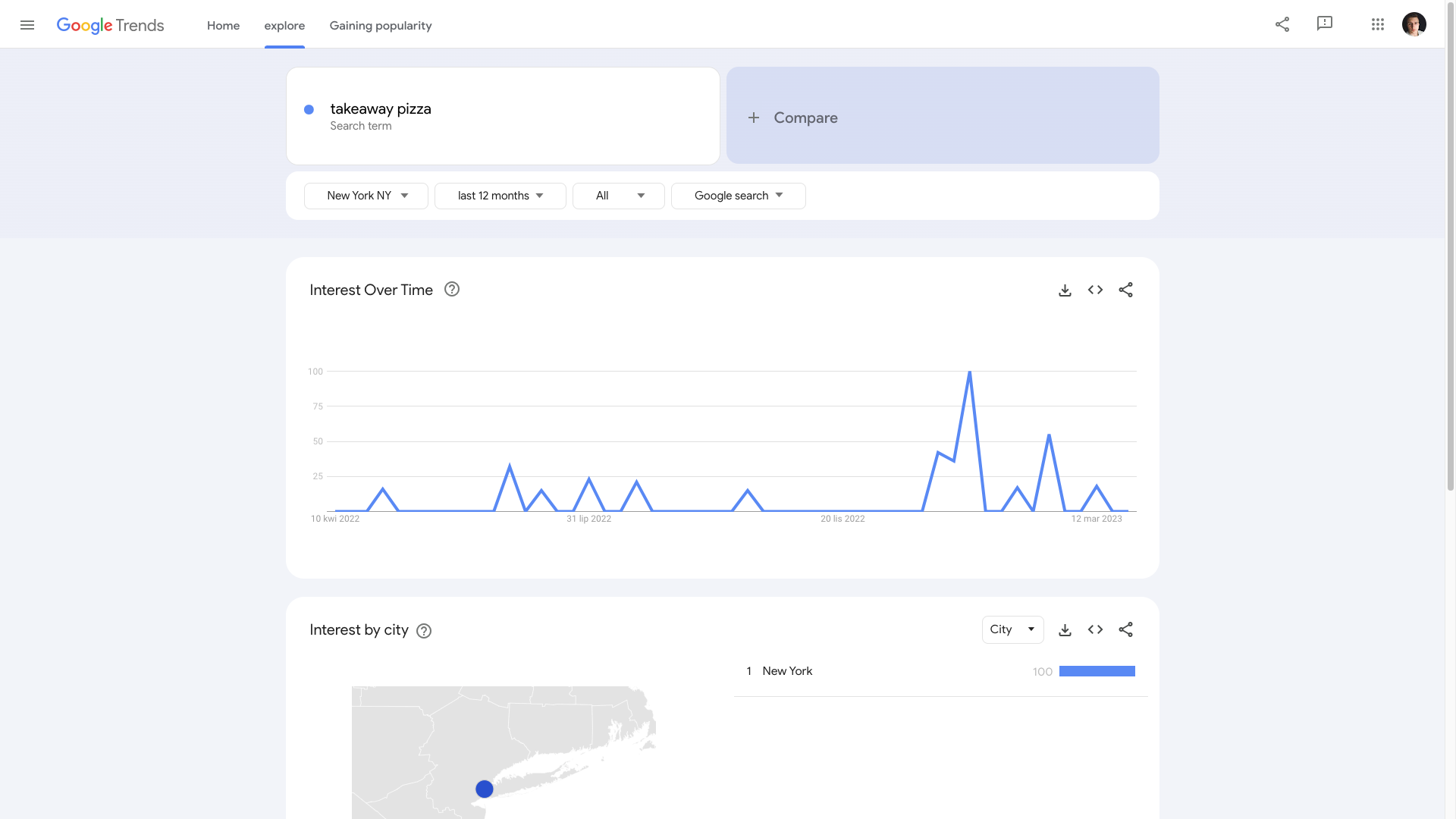
Once you know the market, conduct surveys and focus groups, ask potential customers on social media, or use tools such as Google Trends to find out what’s in demand within a specific market.
Tools to do market research:
- Google Trends: Check what type of food or cuisine is on demand.
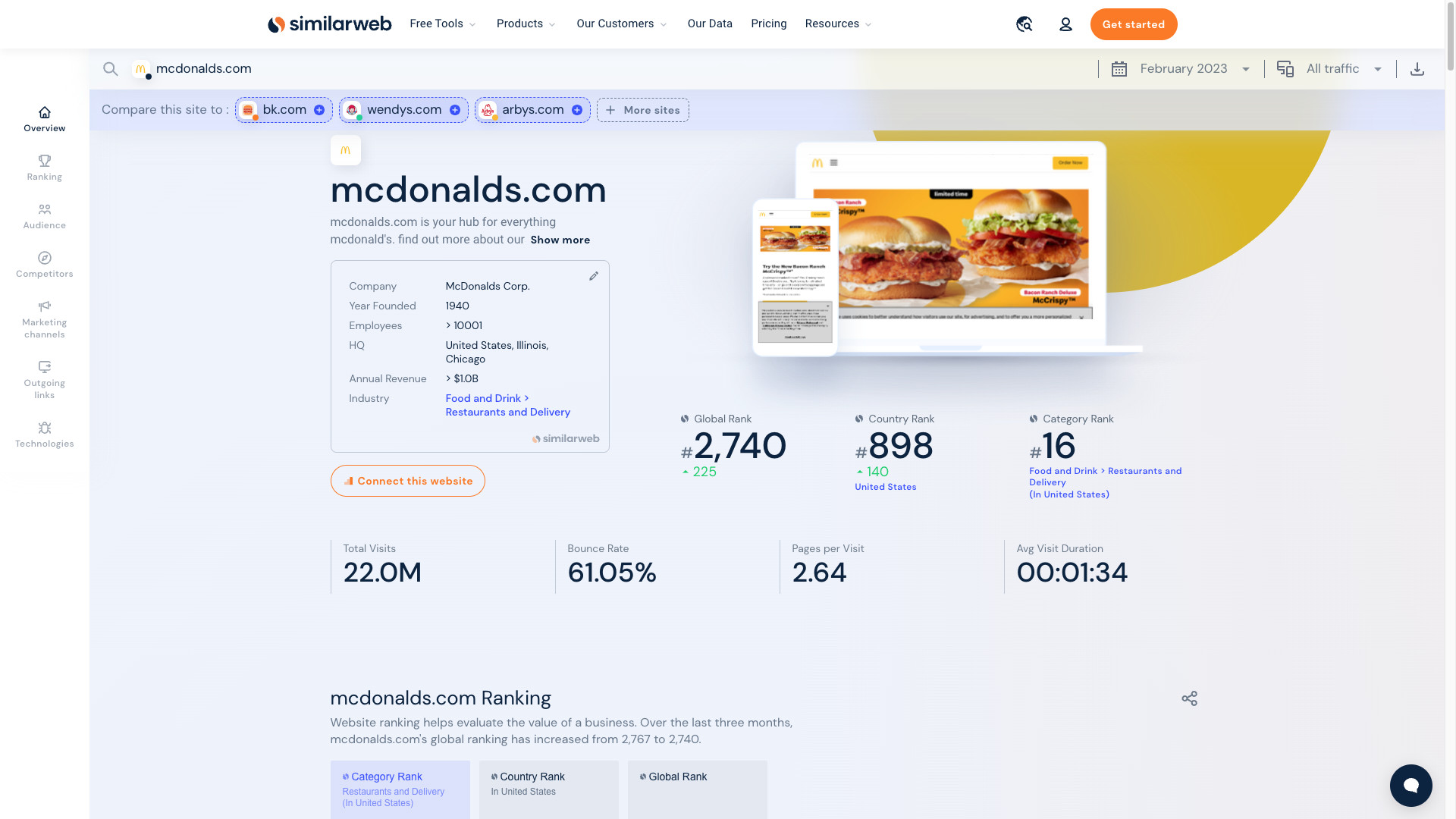
- SimilarWeb: Watch your competitors’ websites, social media, and other online channels.
- Ahrefs: Find out what your potential customers are searching for and how your competition responds to that.
- Google Forms: Create surveys to collect information from potential customers.
3. Develop a plan to differentiate your business from others
Once you know the market, competitors, and target customers, develop a unique strategy that differentiates your ghost kitchen brand from others.
Review your competitors extensively to figure out what they do and what makes them tick. This will help you create menus that deliver exactly what people want, improving restaurant customer service and their overall experience.
Some of the most profitable business strategies are built on differentiation: providing customers with products or services they value that competitors don’t have.
Companies that help with starting Ghost Kitchens:
Step 2: Write a business plan
Whether you’re starting a new concept or your ghost kitchen facility is an extension of an established brand, you’ll need a solid ghost kitchen business plan to run your operations smoothly and efficiently.
Your business plan should include relevant information about finances, labor, staffing, brand, menus, and kitchen management.
Banks and investors require this data to decide how to fund and support your brand.

Step 4: Find a kitchen location
It is important to find a kitchen space that fits your business requirements, such as size, cost, equipment, and accessibility.
Since you don’t have a storefront, you won’t have to worry about footfall. Instead, your business success will depend more on serving and customers finding you online.
Listed below are the three best options to decide from:
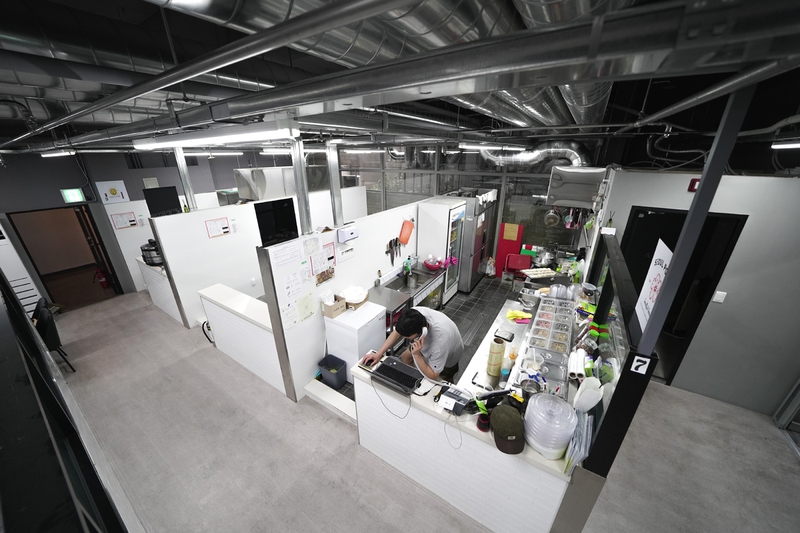
Option 1: Shared commercial kitchens
Shared kitchens are good for starting a food business as they are quite cost-effective and require minimal investment. You can easily rent a place in shared commercial-grade kitchens, saving enough money.
Moreover, the space will be licensed, saving you time and effort in acquiring relevant licenses and permits.
However, you may have to purchase additional equipment based on your ghost kitchen needs. Also, these kitchen spaces fill quickly.
Here are a few sites where you can find shared kitchens:
Option 2: Rent commercial space
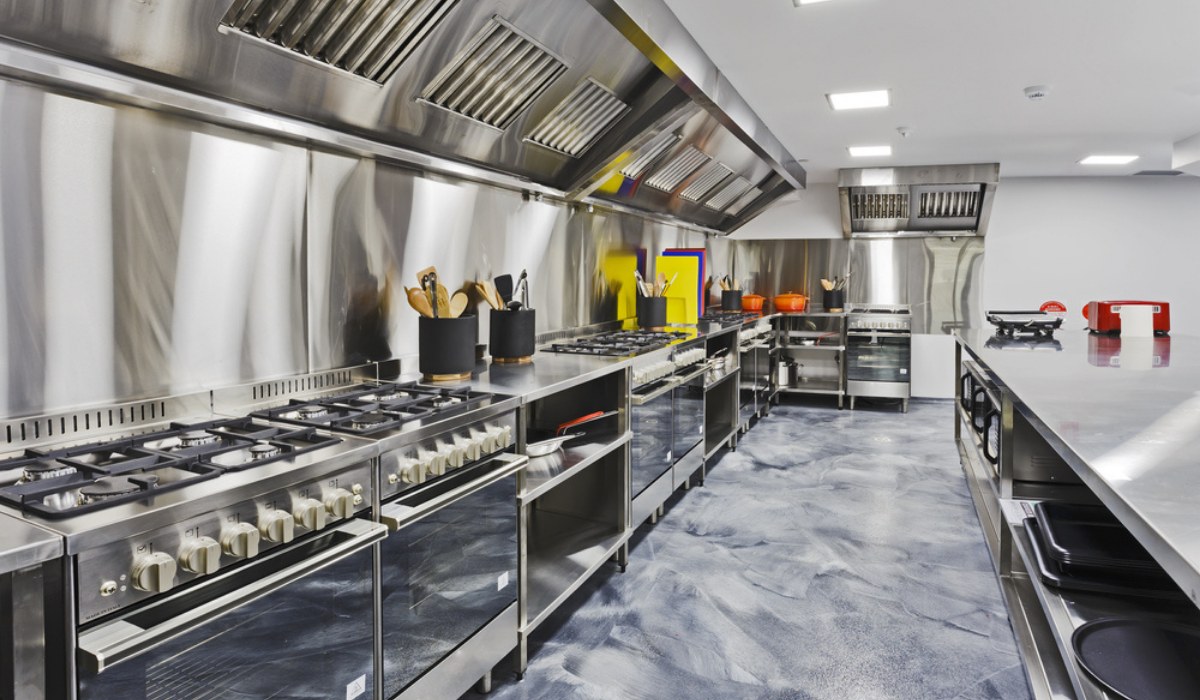
Commercial space can be a better option than renting a shared kitchen, as it allows you to position your kitchen facility more strategically, attracting more customers and increasing brand visibility.
However, it may require long-term commitments and cost you more than shared commercial kitchen spaces.
Here are some sites where you can find ghost kitchens for rent:
Option 3: Set up your own facility
Creating your free-standing ghost kitchen facility allows you to customize details such as appliances, layout, and equipment per your business needs.
This way, you don’t need to share storage or other spaces.
However, setting up your own facility can be the most expensive option since it requires massive investment.
Learn more: How to Lease a Restaurant Space.
Step 5: Comply with restaurant regulations
Before you can launch your ghost kitchen and start selling your food online to customers, you need to meet all the food laws and regulations and obtain the necessary licenses like a brick and mortar restaurant to prevent disruptions.
The requirements in each state, county, and city vary, so know which food and delivery laws and regulations are applicable in your area.
What permits and licenses do you need to start a ghost kitchen?
Most people ignore the legalities when starting a ghost kitchen. However, this is the most critical aspect of starting a delivery-only restaurant that lasts.
Here are a few permits you’ll need to open a ghost restaurant:
- Seller’s Permit
- Employee health permit
- Zoning permit
Based on your dark kitchen offerings, licenses may vary by state and local jurisdiction.
Nevertheless, you’ll need a business license and a food service license to operate legally in your location and the food industry.
How to get the necessary permits and licenses?
You can acquire the necessary licenses and permits for your ghost kitchen online or in person from the local government.
These requirements are similar to those for a traditional restaurant, so you shouldn’t have too much trouble since the system is already in place.
Step 6: Find ingredients suppliers
After creating your ghost kitchen menu, research ingredient suppliers and food costs for a complete inventory.
Connecting with suppliers can be challenging, so consider seeking advice from other industry players.
Nevertheless, you have three main options to get ingredients to prepare your food – each with its own pros and cons. Choose an option that best fits your brand.
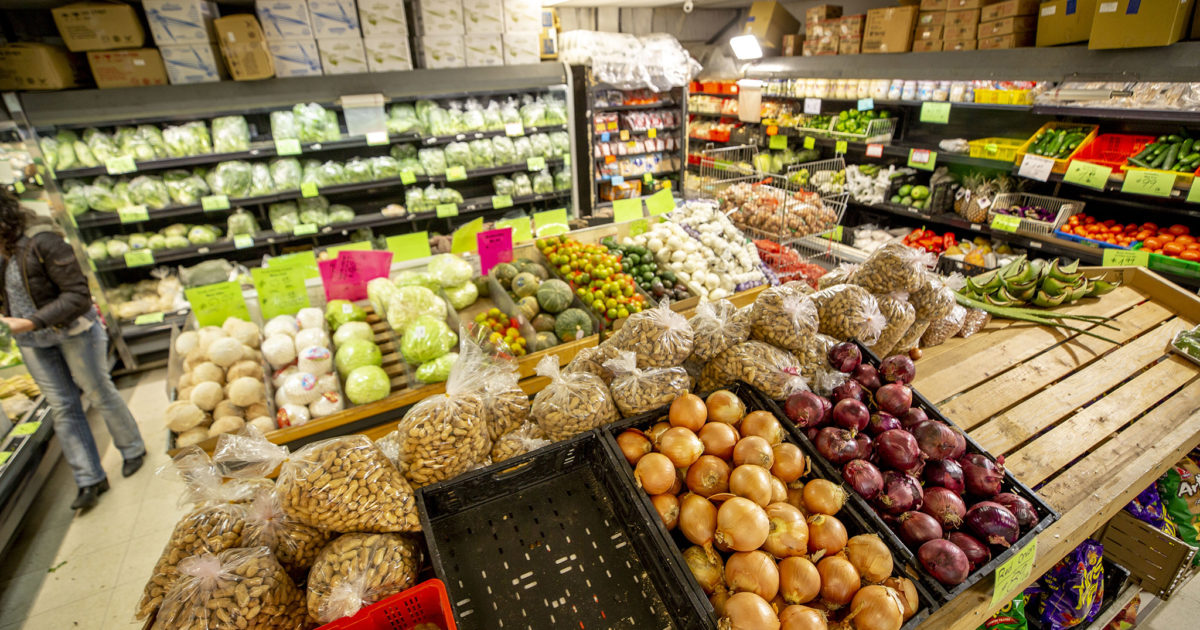
Purchase from grocery stores
Many home-based entrepreneurs buy ingredients from grocery stores due to easy access to a wide range of products.
This works well for small customer bases but can become costly for bulk buying.
It’s also essential to avoid low-quality stock, so consider learning from other restaurateurs who use wholesale distributors.
Work with local suppliers
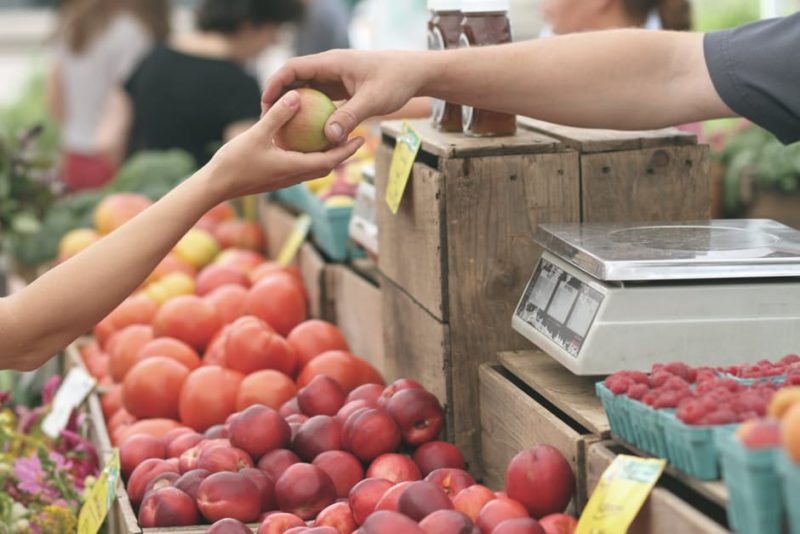
A local supplier can be a good option if you want to get fresh and more flavorful ingredients at a reasonable rate.
Working directly with local suppliers can help boost the local economy and minimize carbon footprints.
However, they may charge you more for products and have a limited variety.
Find warehouses that sell bulk supplies
The best option for ghost kitchens looking to buy ingredients in bulk is a warehouse. You can get a large number of ingredients at the lowest cost possible.
However, their ingredient quality can be lower than local suppliers.
Step 7: Create your brand
Creating a winning brand from scratch can be challenging. Before getting started, you have to weigh many things such as “what should my brand look like?” or “will it seamlessly resonate with my targeted audience?”
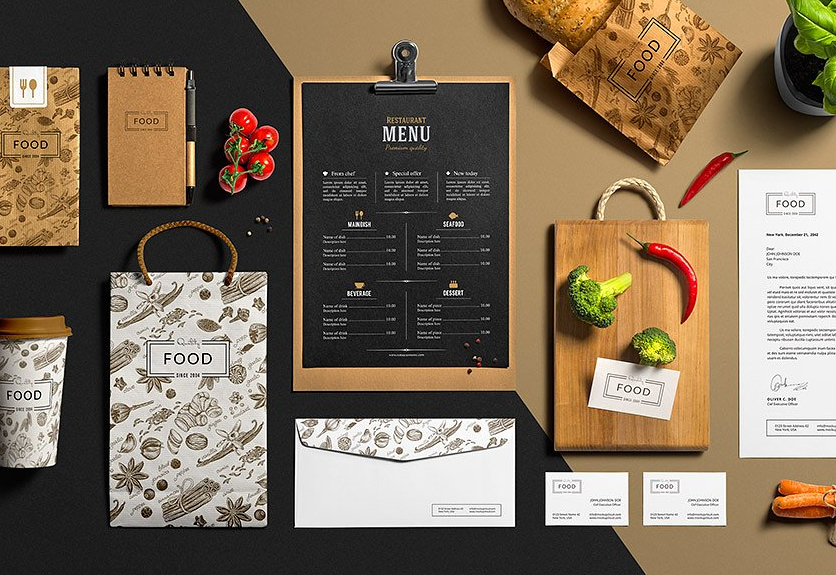
Building a unique brand boils down to these four steps:
- Choose a Unique Brand Identity: Develop a distinct name, logo, and brand image for your ghost kitchen.
- Create a Brand Strategy: Define target market, mission, values, and unique selling points.
- Ensure Consistency Across Platforms: Maintain a cohesive brand image on social media, websites, and all materials.
- Consider Professional Guidance: Partnering with a restaurant branding agency or restaurant consultant can offer specialized expertise and innovative ideas.
Step 8: Create your offer
Once you develop a unique brand, create an offer that attracts customers and helps you generate more sales and revenue.
Here’s how you can create an irresistible offer that motivates customers to make a purchase:
- Create an offer: Create a unique selling proposition that makes your delivery-only food different from others in the market.
- Test and iterate: It’s best to run multiple offers simultaneously and bring changes based on the results and customer feedback.
- Keep it simple: Avoid technical terms or use of jargon with customers, as they say it’s a silent killer of customer experience.
- Be up-to-date with food regulations: Remain compliant with relevant food laws and regulations.
- Price your offer: Ensure your menu pricing is competitive by considering factors like your target market, competitor pricing, and restaurant costs.
- Food photography: Restaurants with images and descriptions receive 70% more orders. It’d be best to work with a professional food photographer to ensure that your images are attractive. However, you can also take photos yourself using these food photography tips.
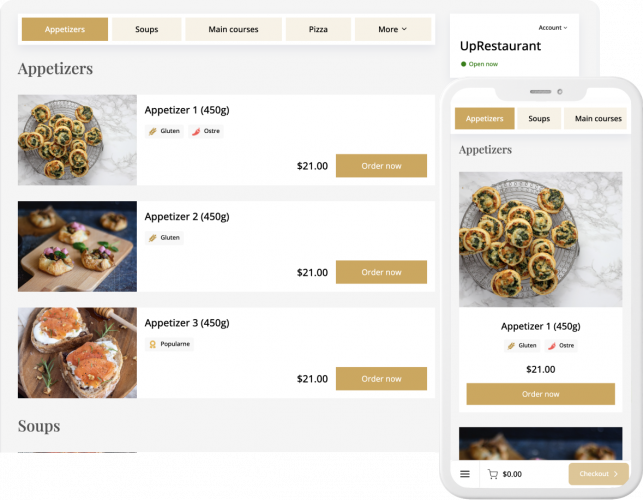
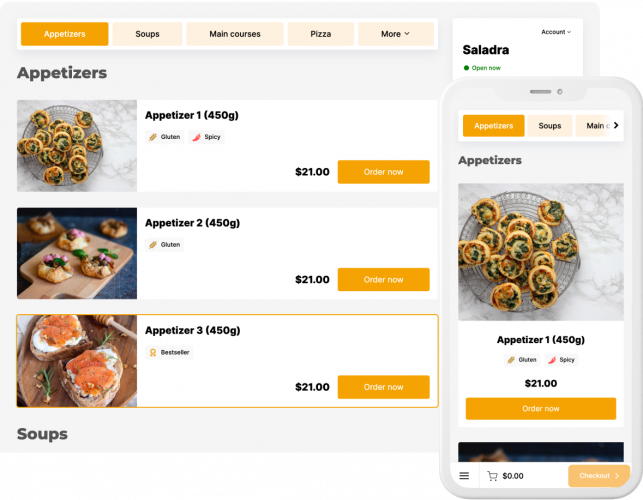
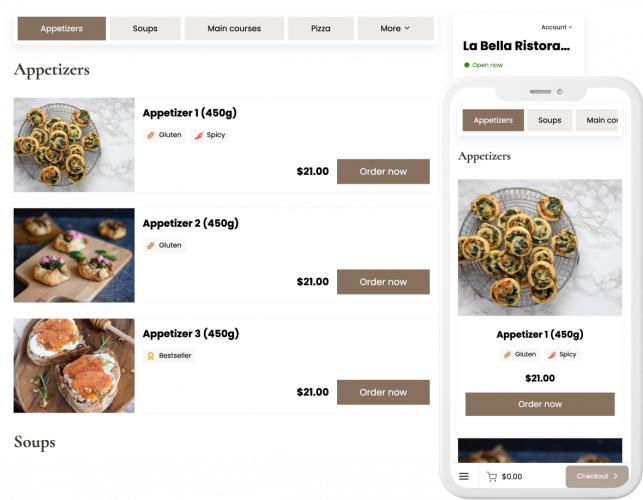
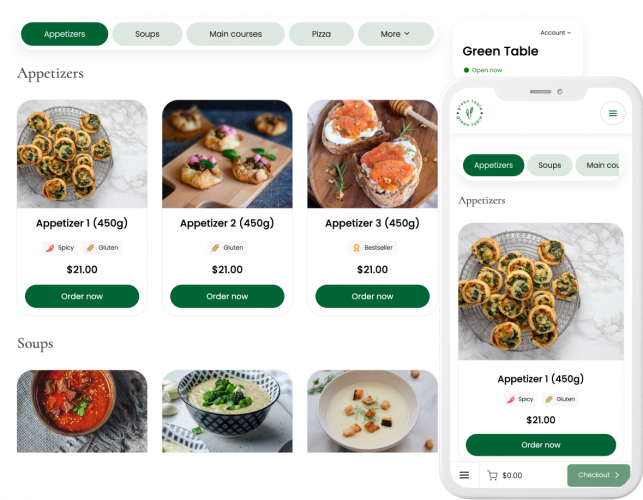
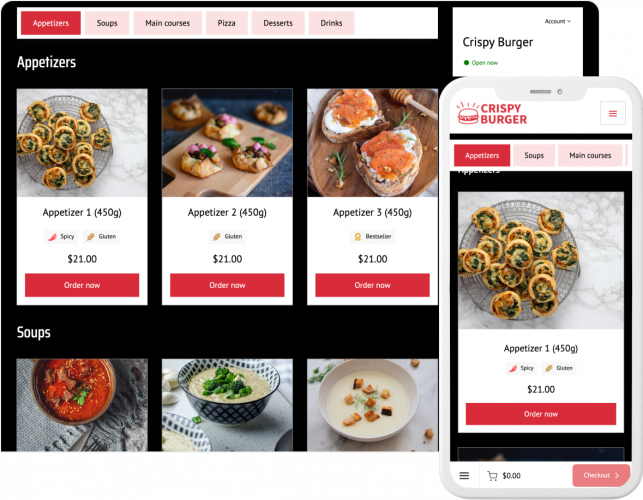
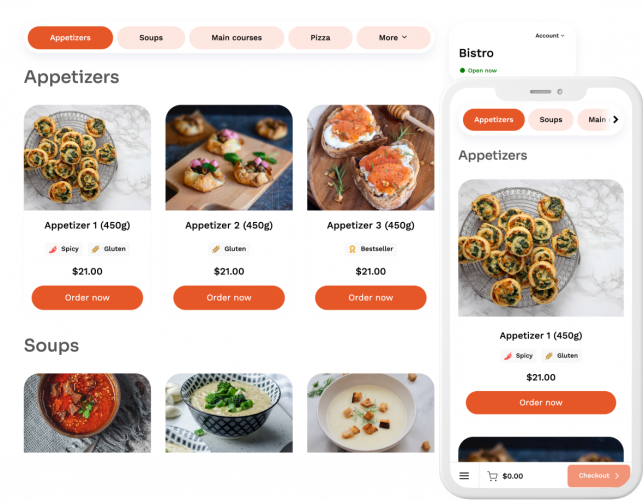
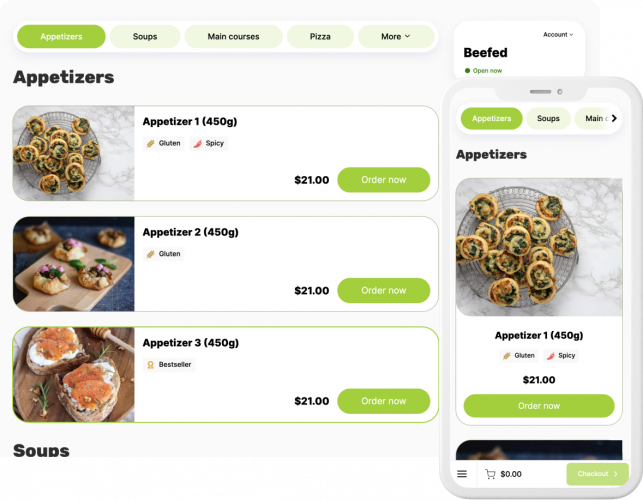
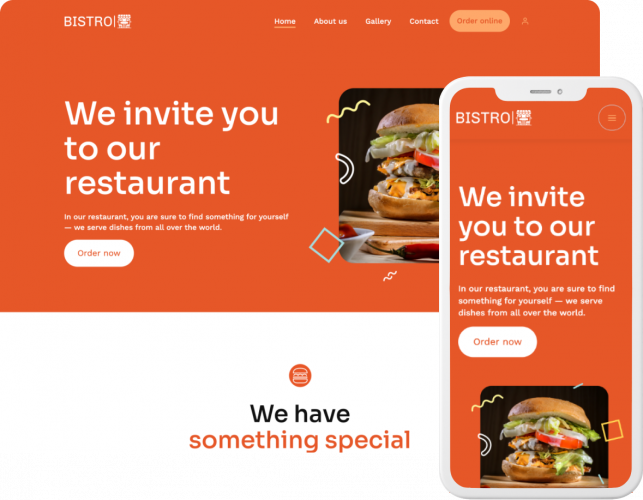
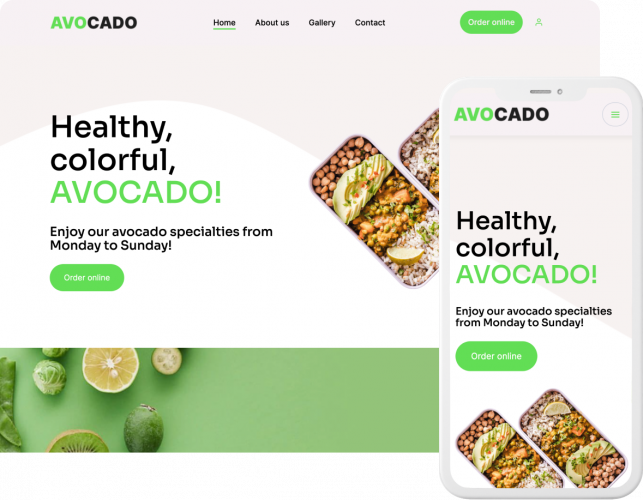
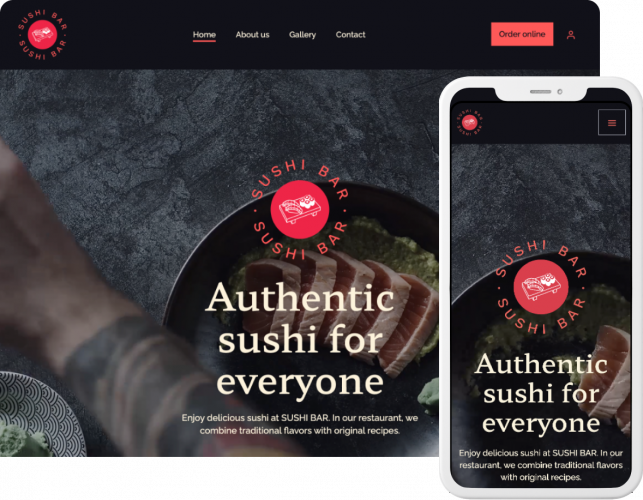
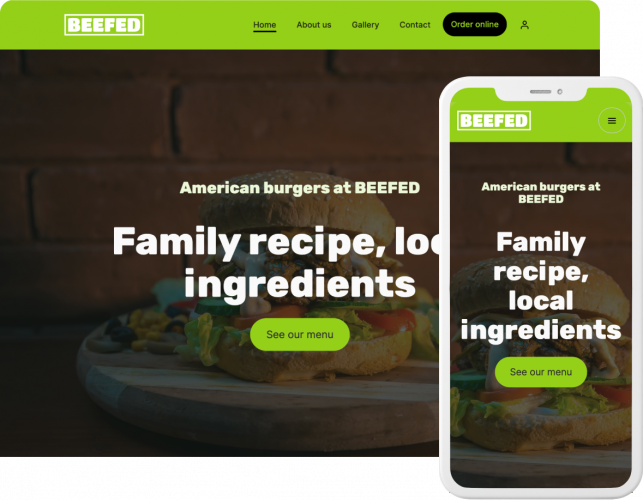
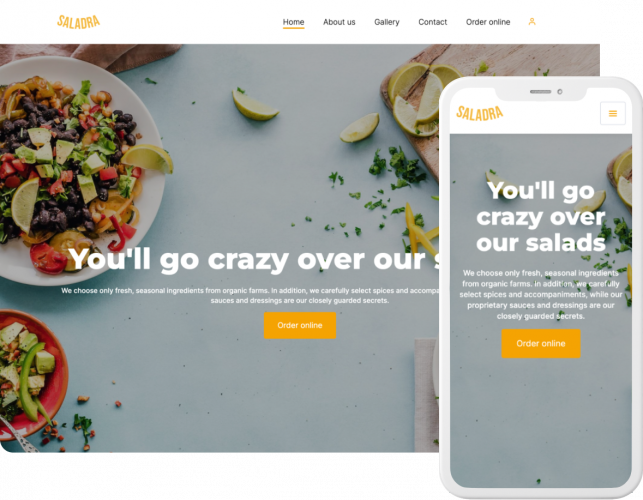
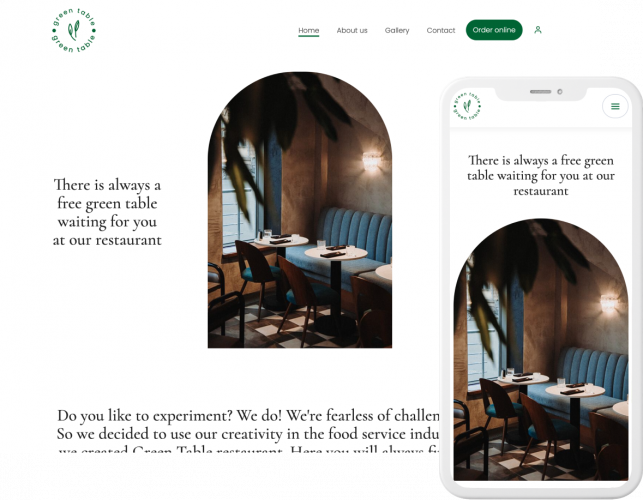
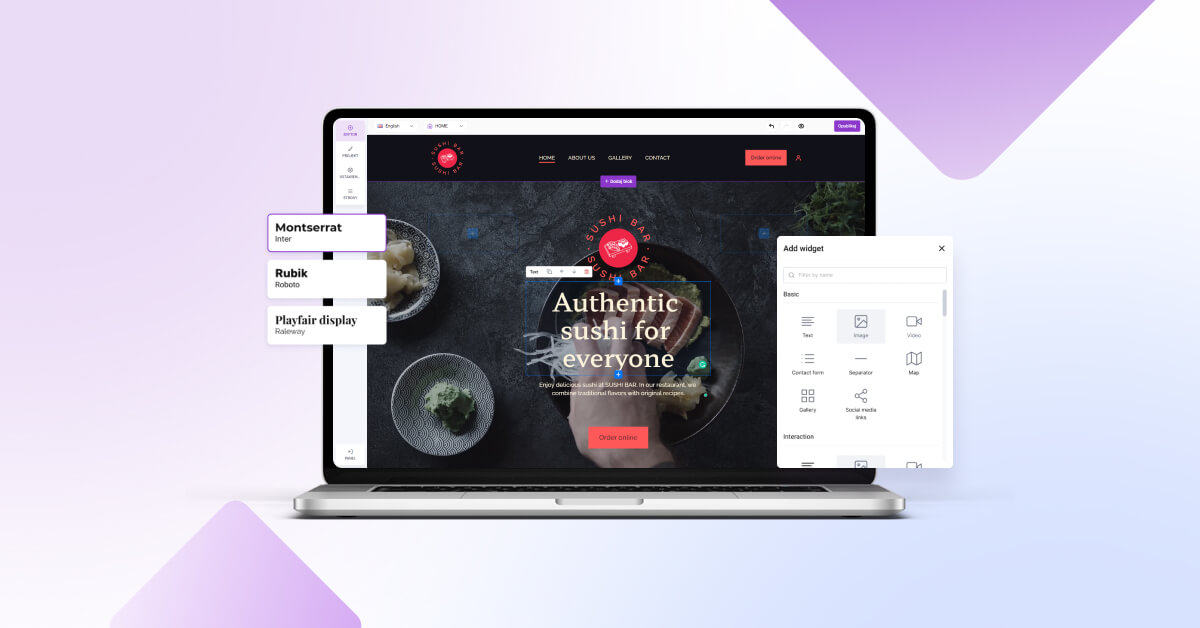
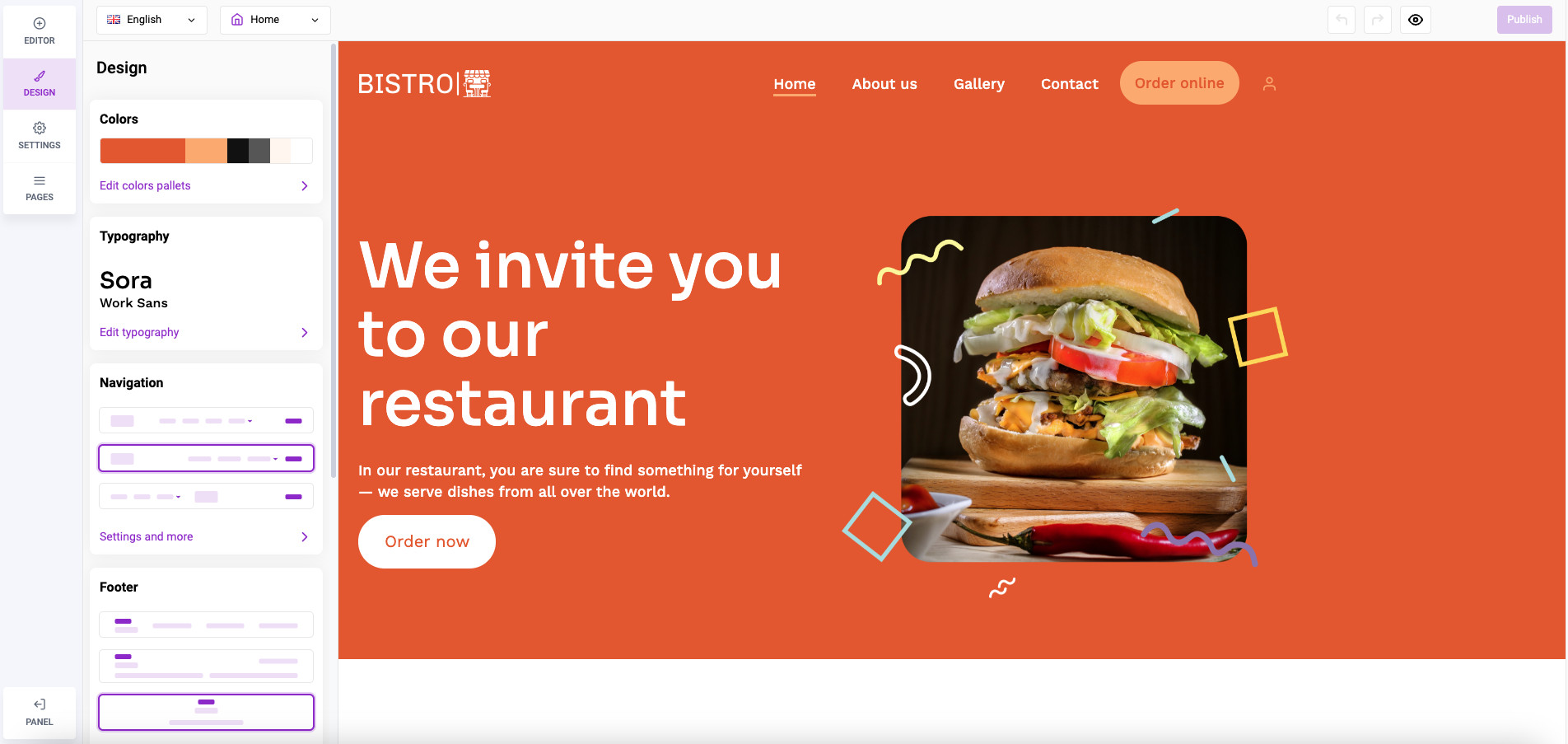
Create page with drag & drop builder
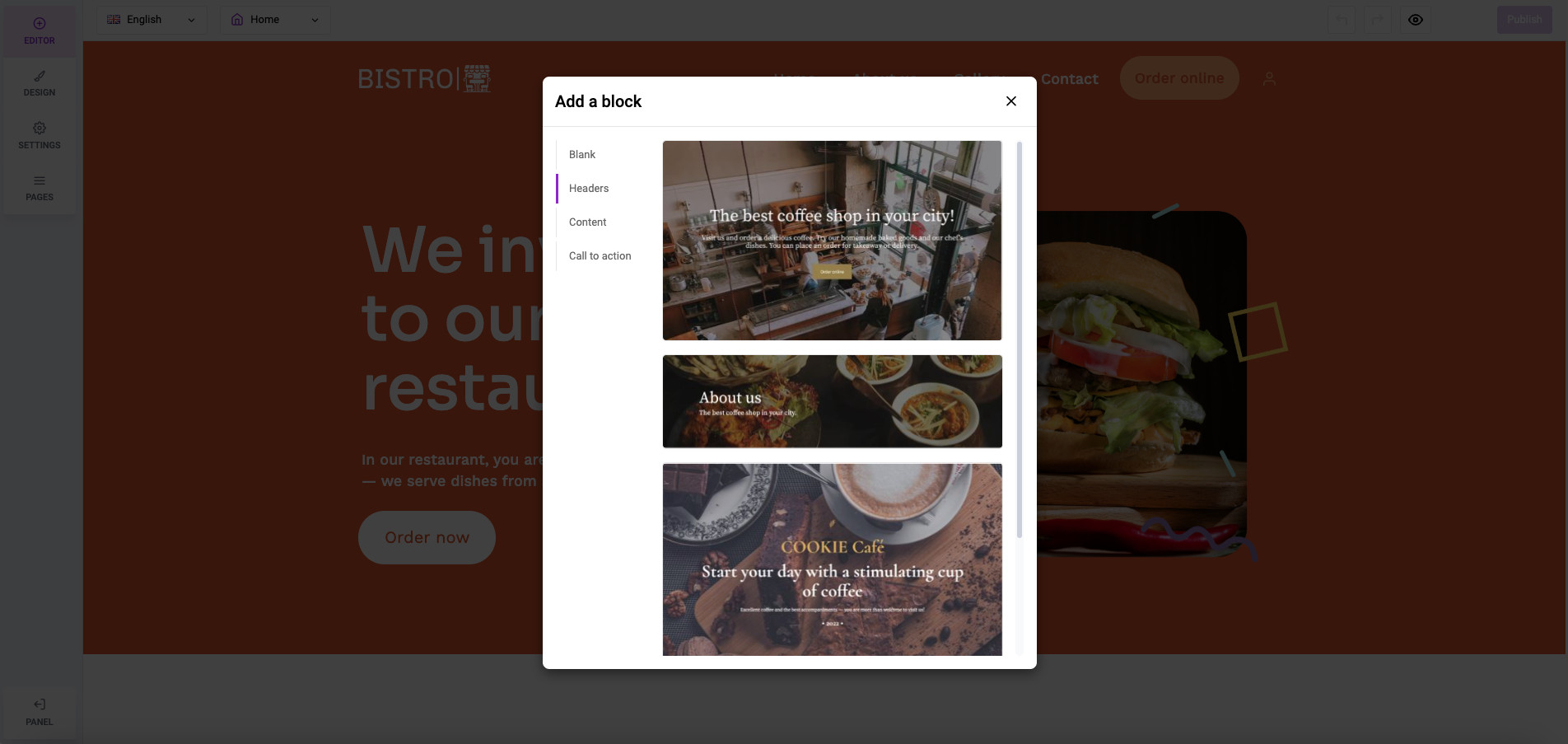
Edit the template or use pre-made blocks to design your website easily.
Add your brand logo and choose website colors, fonts, and navigation styles that align with your brand and provide a seamless user experience.
Add the website content
Content is king. It’s an effective marketing strategy to attract and engage prospects. So start adding content to your website, such as menu descriptions, meal photos, and customer reviews.
Step 10: Set up an online ordering system
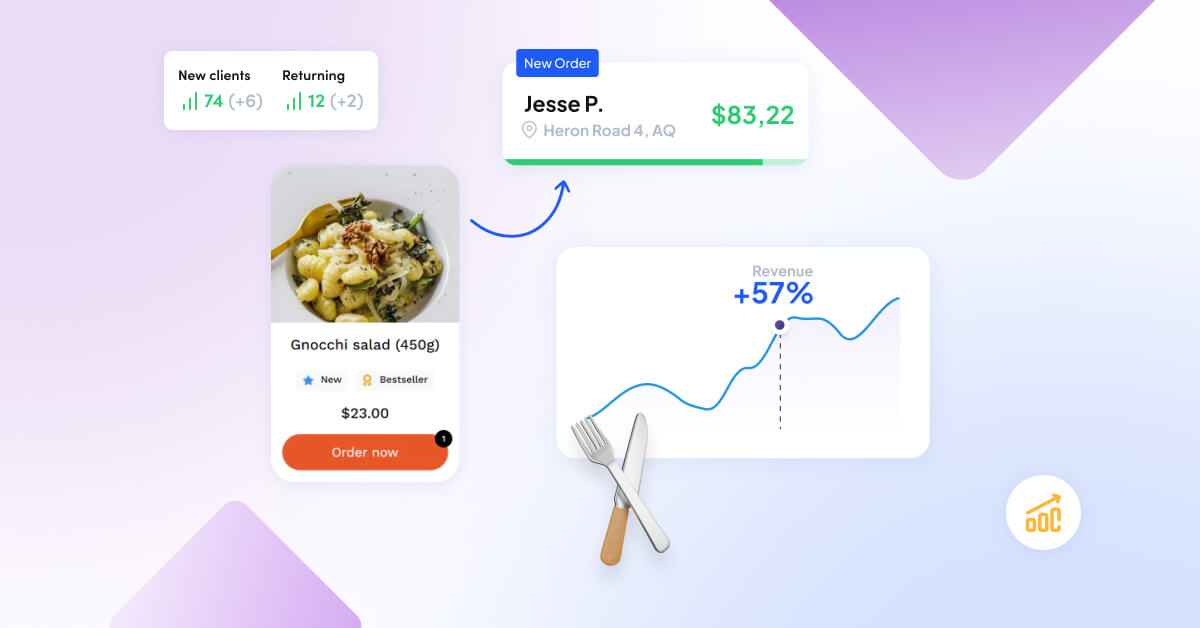
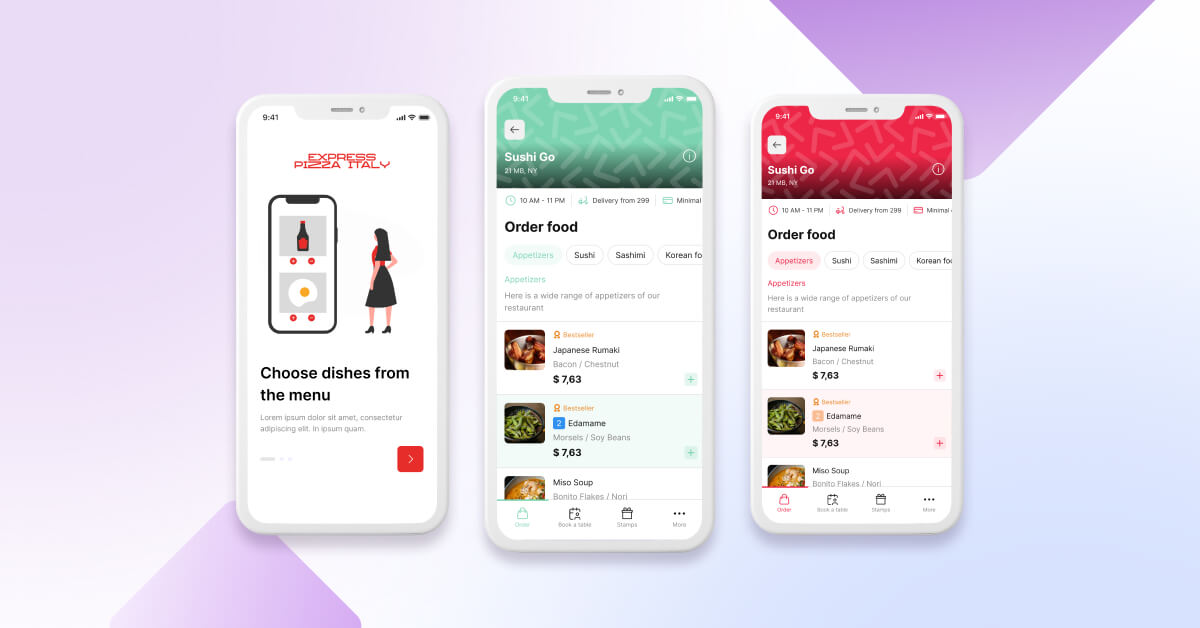
An online ordering system lets customers place orders quickly and smoothly using an app or website.
It allows restaurant owners to seamlessly manage orders, design online menus, track sales, and improve efficiency.
You can read this extensive guide on how to set up an online ordering system to set up online ordering feature for your ghost restaurant.
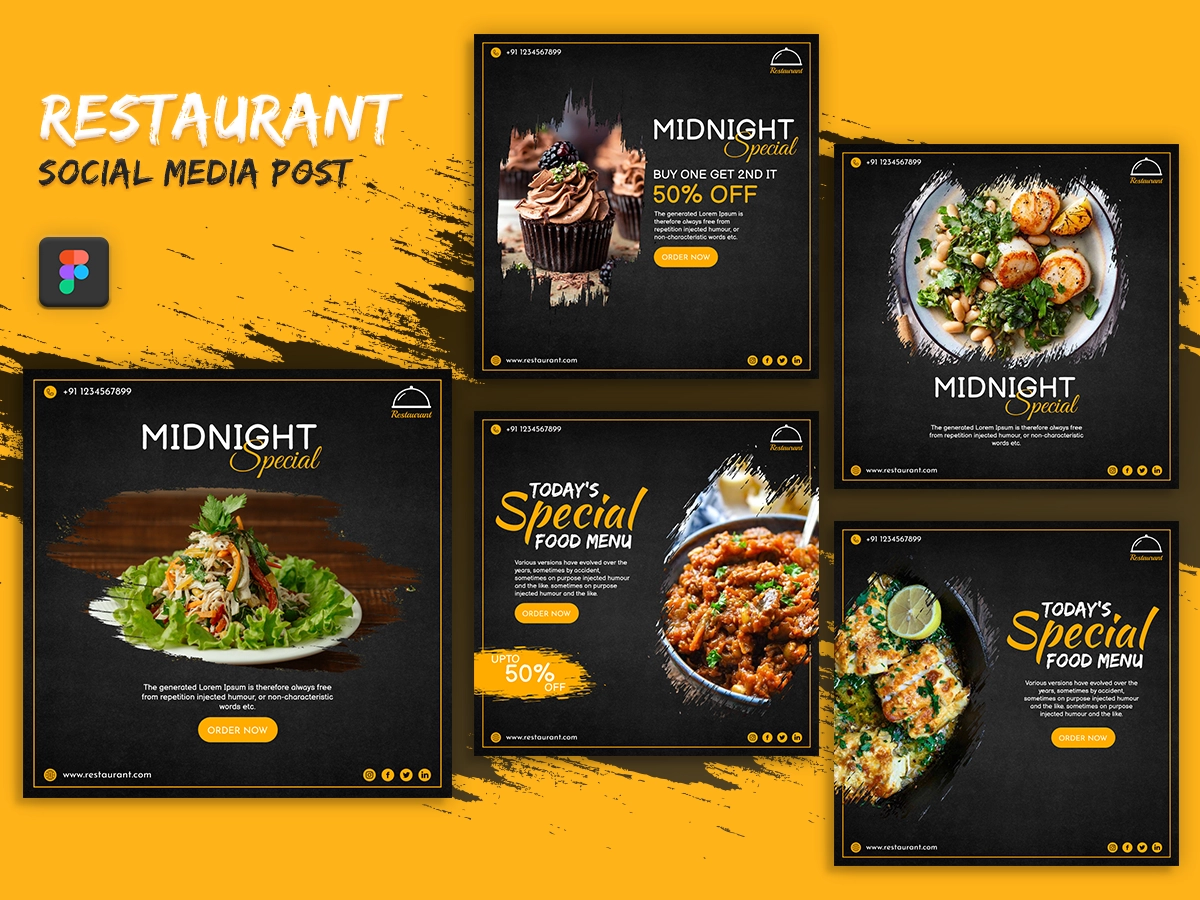
Spotlight your meal through videos and photos. Make sure to convey your food quality and brand values in digital messaging.
Also, promote limited-time and special discounts and give coupon codes to new customers.
Offline marketing
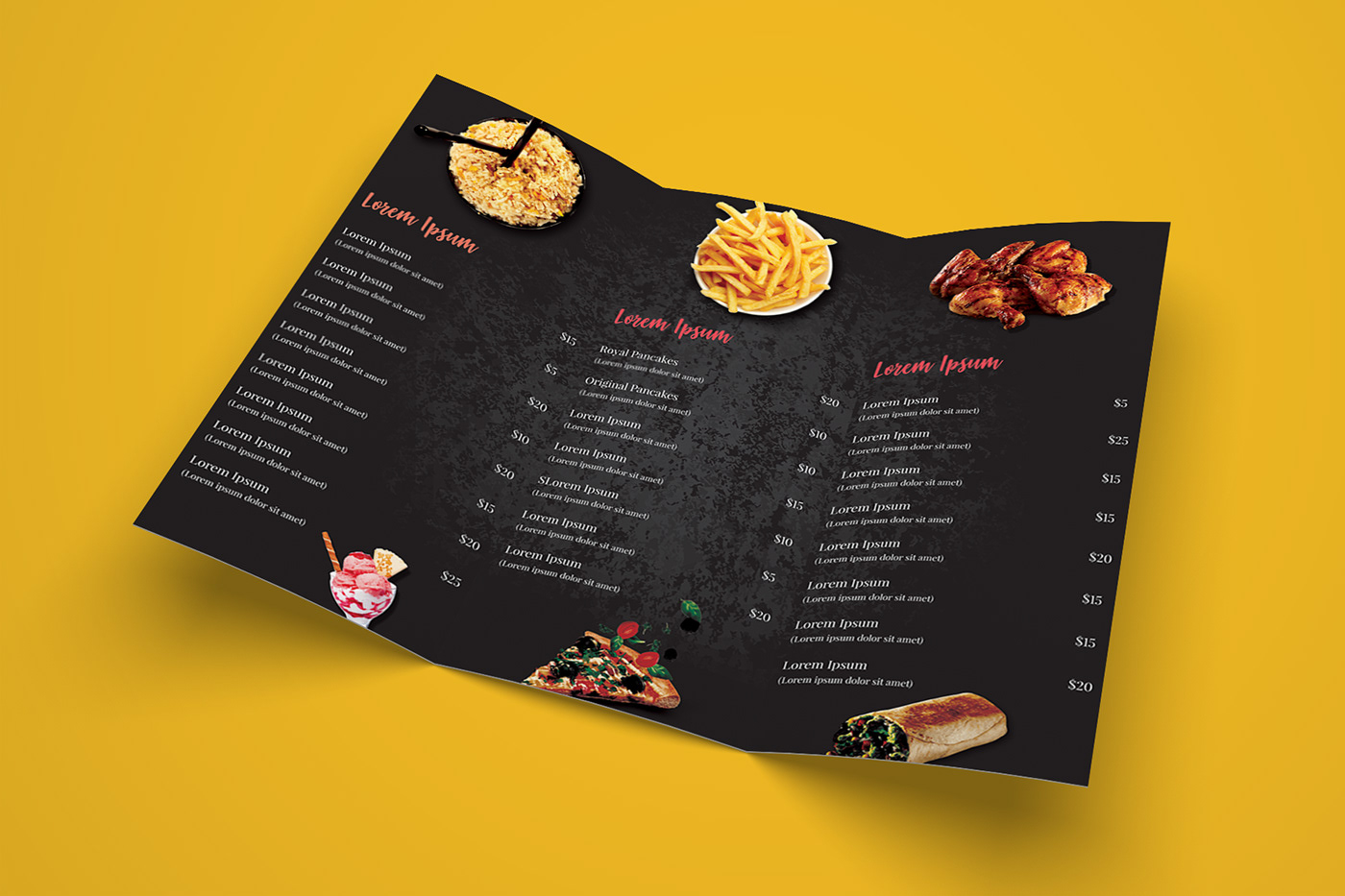
Offline marketing effectively attracts local audiences, builds brand credibility, and increases awareness.
Tactics include word-of-mouth, business cards, flyers, PR, direct mail, and rewards programs.
Choose techniques that best cater to your niche and align with your brand values.
Paid advertising
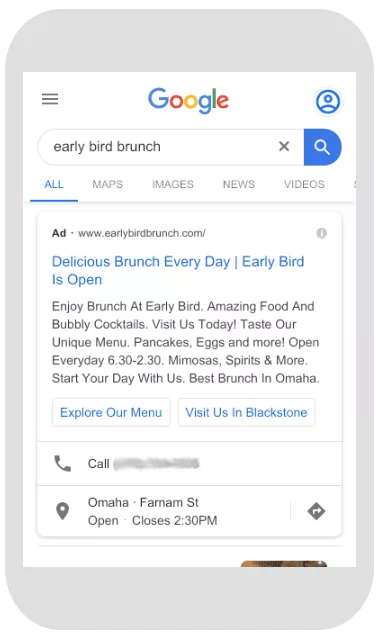
Using Facebook Ads for restaurants and Google Ads for restaurants allows you to target a particular audience to promote your products or services.
However, since paid marketing can be expensive, it’s best to use other marketing techniques if you’re starting out.
Other marketing examples
- Email marketing for restaurants
- Influencer marketing
- Content marketing
- Good reviews on Google and Yelp
- SEO
- Asking for recommendations
- Marketplaces (Uber Eats, DoorDash, GrubHub etc.)